Issue 10 · November 2024
Monuments and counter-monumentsCollective construction of located memory
Edited by Mateo Villamil-Valencia, Malmö University
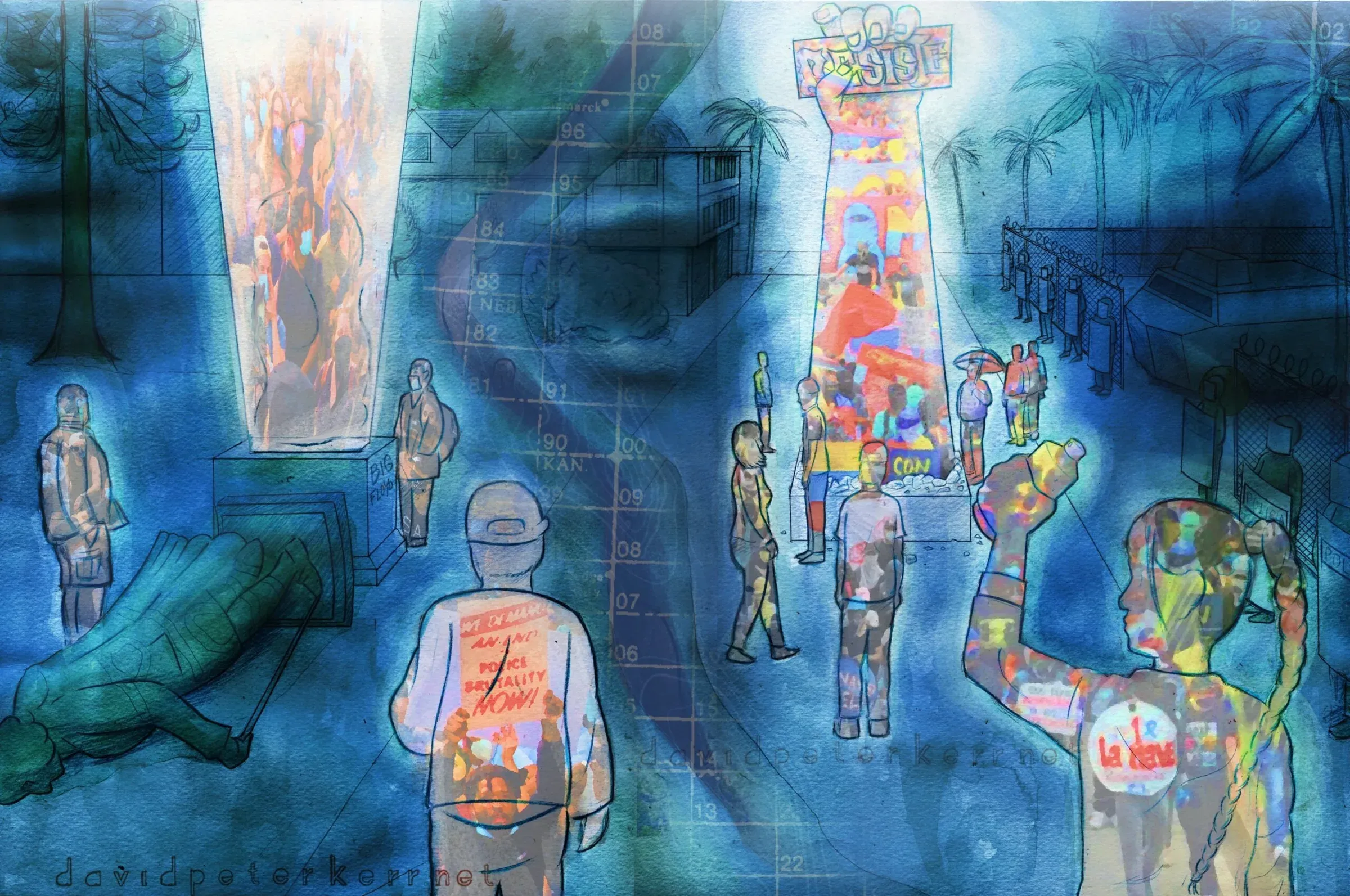
In this issue, we aim to explore the relationship between the practices of truth-telling (Foucault, 2001), verbal thinking (Belli, 2014), and the material transformation of contexts of collective memory creation during times of political mobilization. Creativity, innovation and the formation/hybridization of subjectivities play a key role in varying citizen behavior and are especially prolific in emergency situations (Virno, 2004). Statues, plaques, monuments, and memorials, as well as their critique, resignification, modification, or destruction, are the focus of this issue.
In this issue
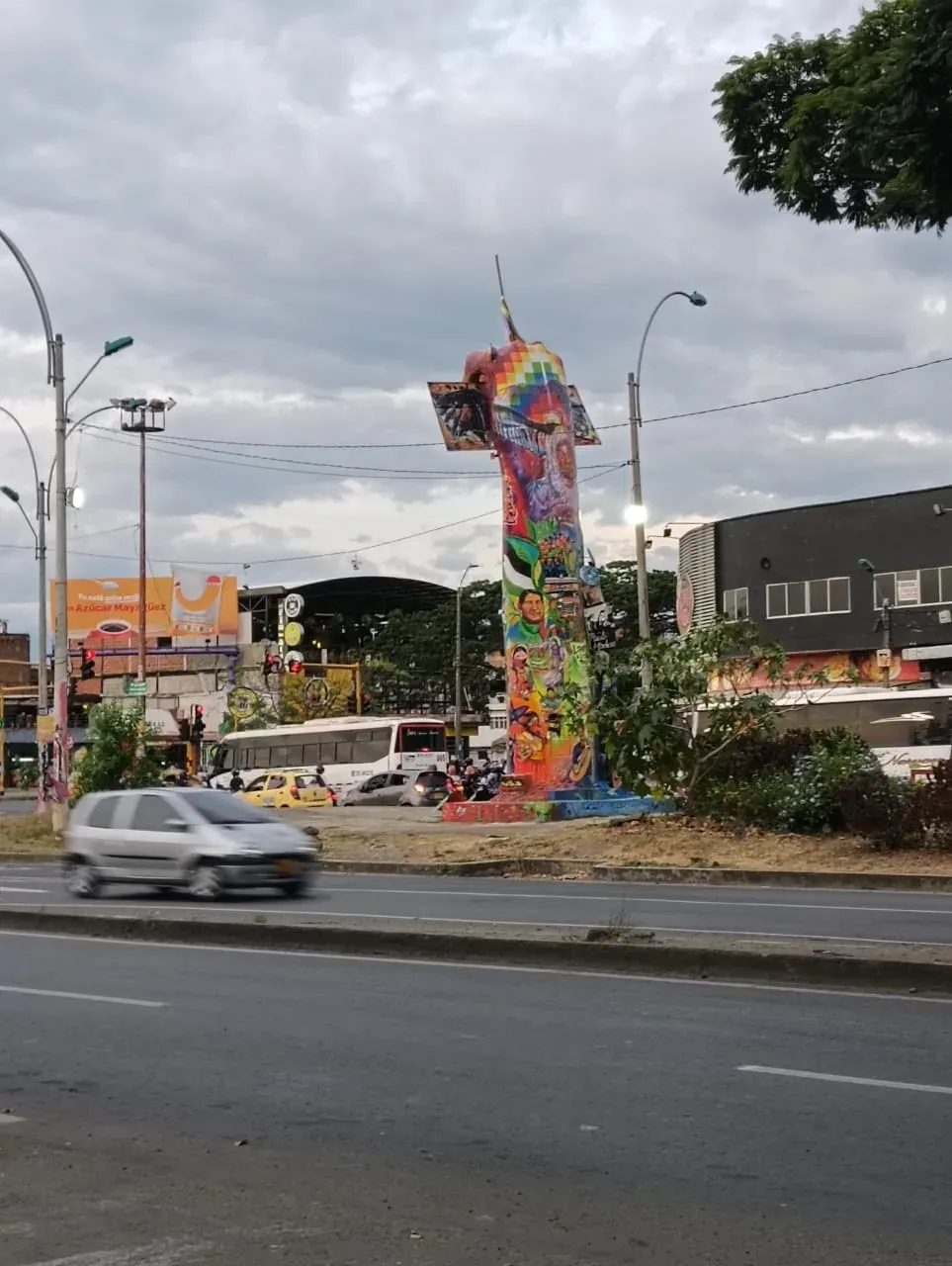
28A- Puerto Resistencia: Anti-monuments, Memory, and Mourning
Lorena Arias Solano
This paper explores the concept of anti-monuments as living symbols of resistance and the performance of memory and mourning in public spaces during the 2021 Colombian uprising in Cali.
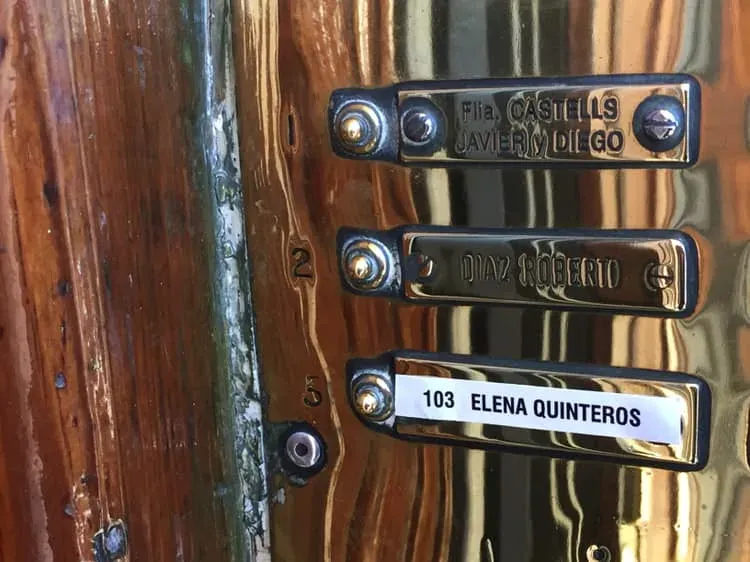
Geolocalization as practice of monumentality- How the human rights movements in Argentina and Uruguay reappropriate the city.
Ana Gilmet
In 1976, teacher and activist Elena Quinteros was kidnapped and later disappeared by military forces in Montevideo, Uruguay. According to an investigation by the newspaper Brecha in 2016, her apartment is still being held by the military (Touriño, 2016).
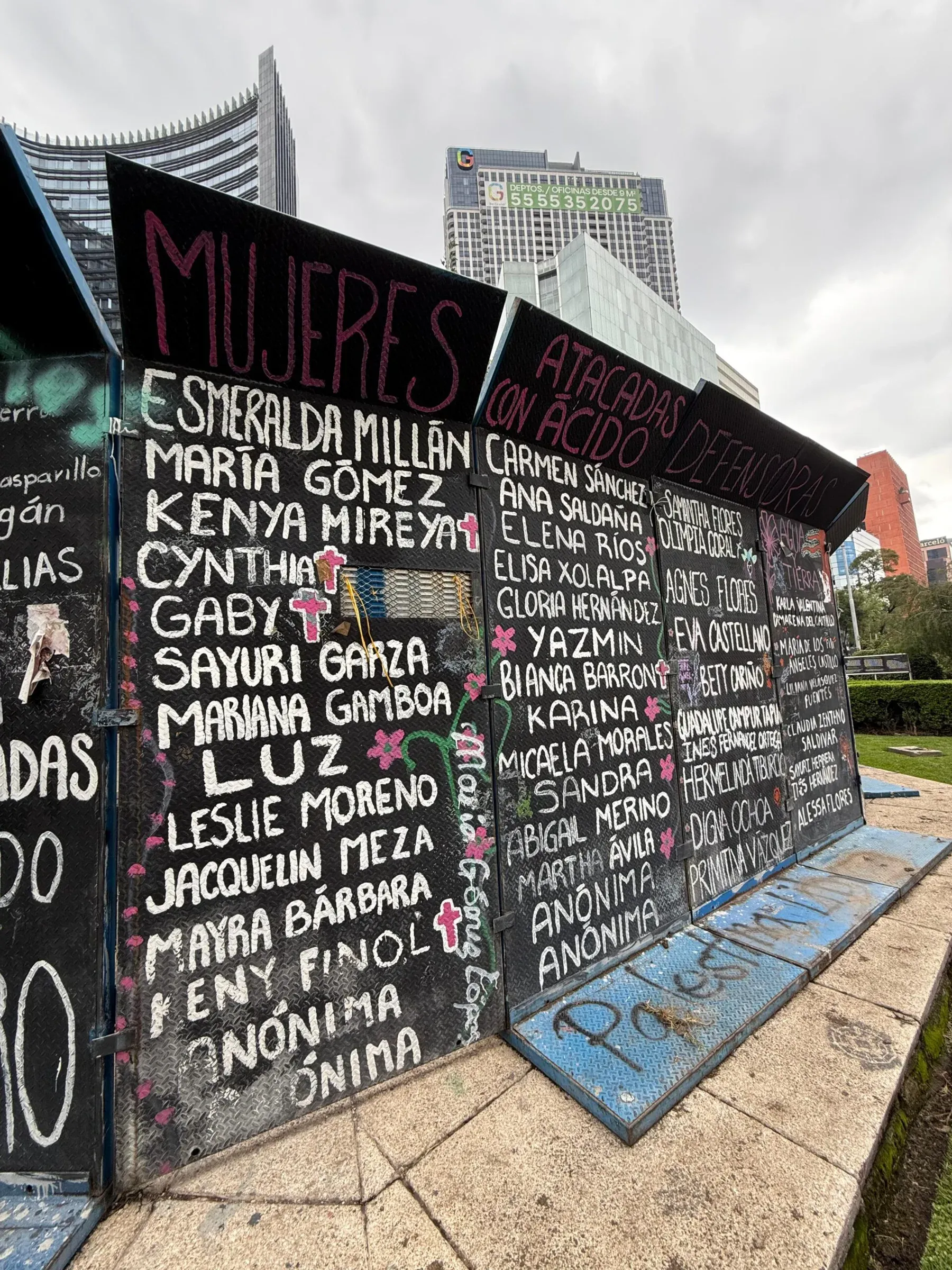
Spaces for resistance, places for remembering: The anti-monumenta in Mexico City
Fernando Gutiérrez
Why do anti-monuments matter to the ‘urban’? Why are we in urban-related disciplines increasingly discussing the importance of memory, monumentality, forgetting and remembering, and the city? Historically, the creation of monuments and memorials has been a task of the state.
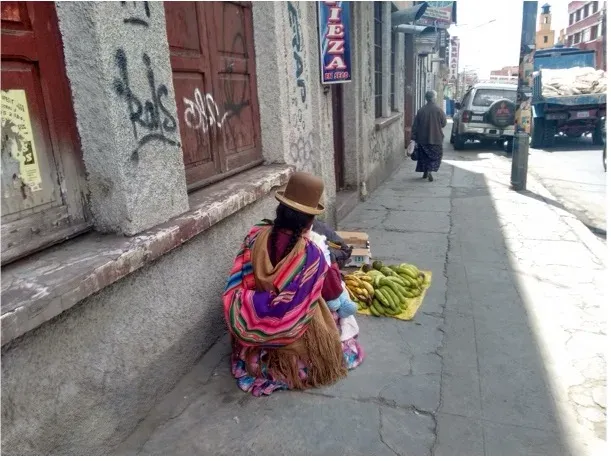
We exist in all spaces: anticolonial struggles in the streets of La Paz
Bruna Rossetti Mendonça
Dos besos llevo en el alma, llorona Que no se apartan de mí The Olla The routine in La Paz can be arduous, starting with walking up the steep slopes surrounded by thin air. The day breaks, and the streets are already full of pedestrians.
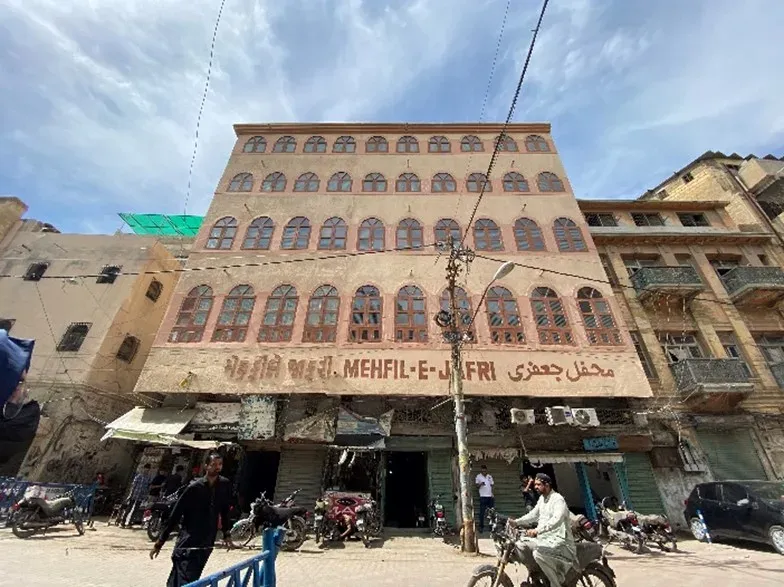
Layers of Time: Tracing Collective Memory and Cultural Identity in Karachi’s Historic Urban Landscape
Maria Sajid Zaheer and Hira Ovais
Walking through the unwinding streets of Old Town in Karachi, one may construct a list of questions when seeing the unique characteristics of a neighborhood not so common in modern day Karachi.
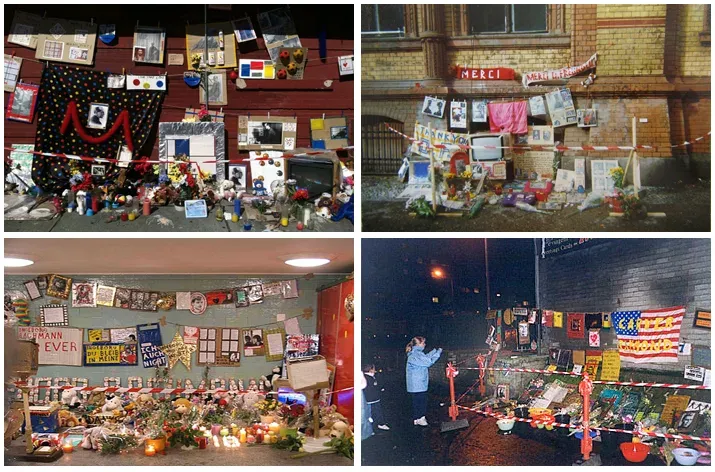
Monuments as Catalysts for Conflict: The Fight for Hegemony
Mario Espliego
If I draw on my humble memory, I could point out that the most significant global mo(nu)ments produced in recent years are mostly acts of destruction, whose memory seems to be embedded, and that remain more present even than what we have understood as traditional monuments.
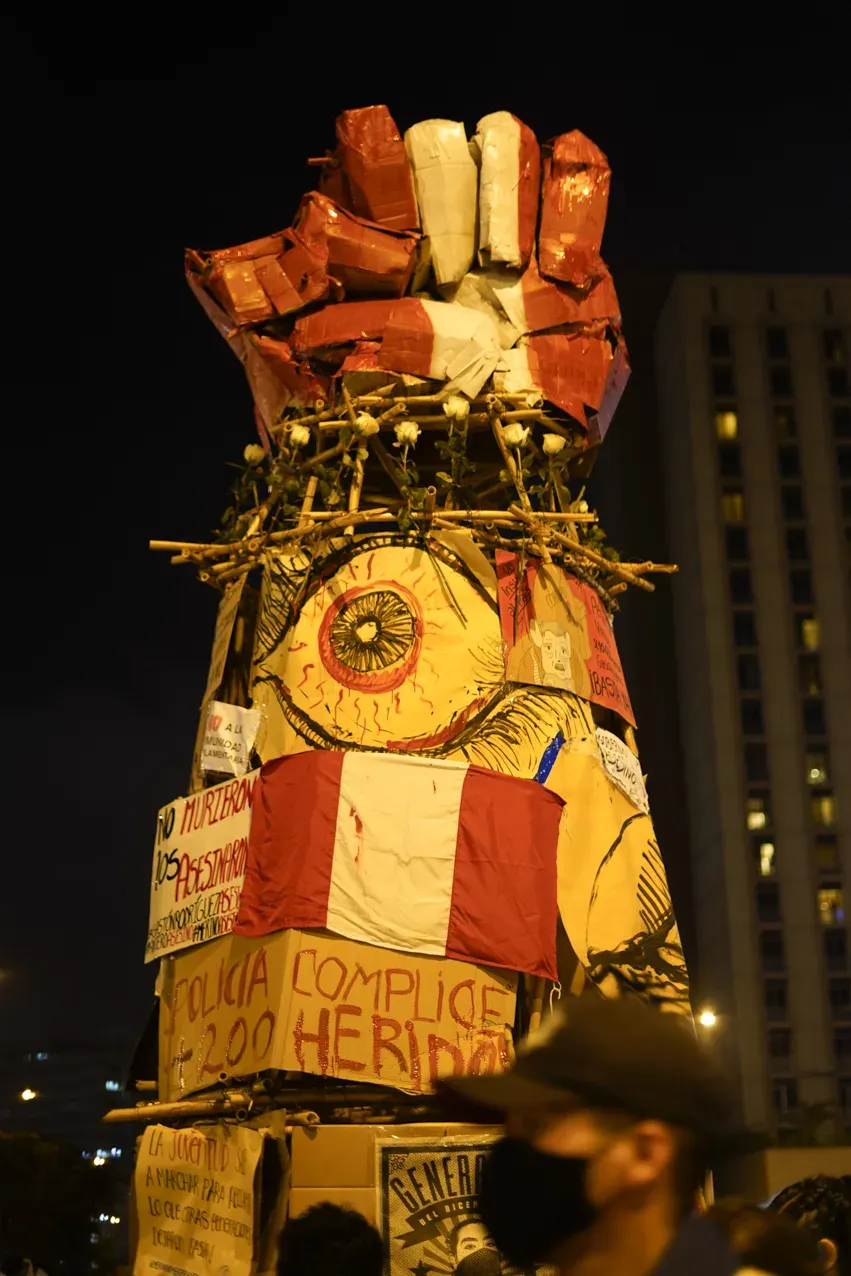
The Clash of the Ephemeral: Collective Action in Disputed Spaces During Lima’s 2020 Social Uprising
Katherine A. Román Aquino
This article situates its attention on the November 2020 protests in Peru, with particular emphasis on the events in Lima, following the controversial appointment of congressman Manuel Merino as interim president.
Existing Everywhere: Urban Layers of Memories and Mourning Landscapes in the Global South
“I am no longer accepting the things I cannot change. I am changing the things I cannot accept.” Angela Davis. This special issue was conceived at the University of Copenhagen during the Nordic Latin Americanist Network (NOLAN) Conference in May 2024.
 Mateo Villamil-Valencia