Issue 18 · August 2026
Spatial Governance and Techno-Scientific Development
Edited by Ruggero Signoroni, PhD, Polytechnic University of Milan
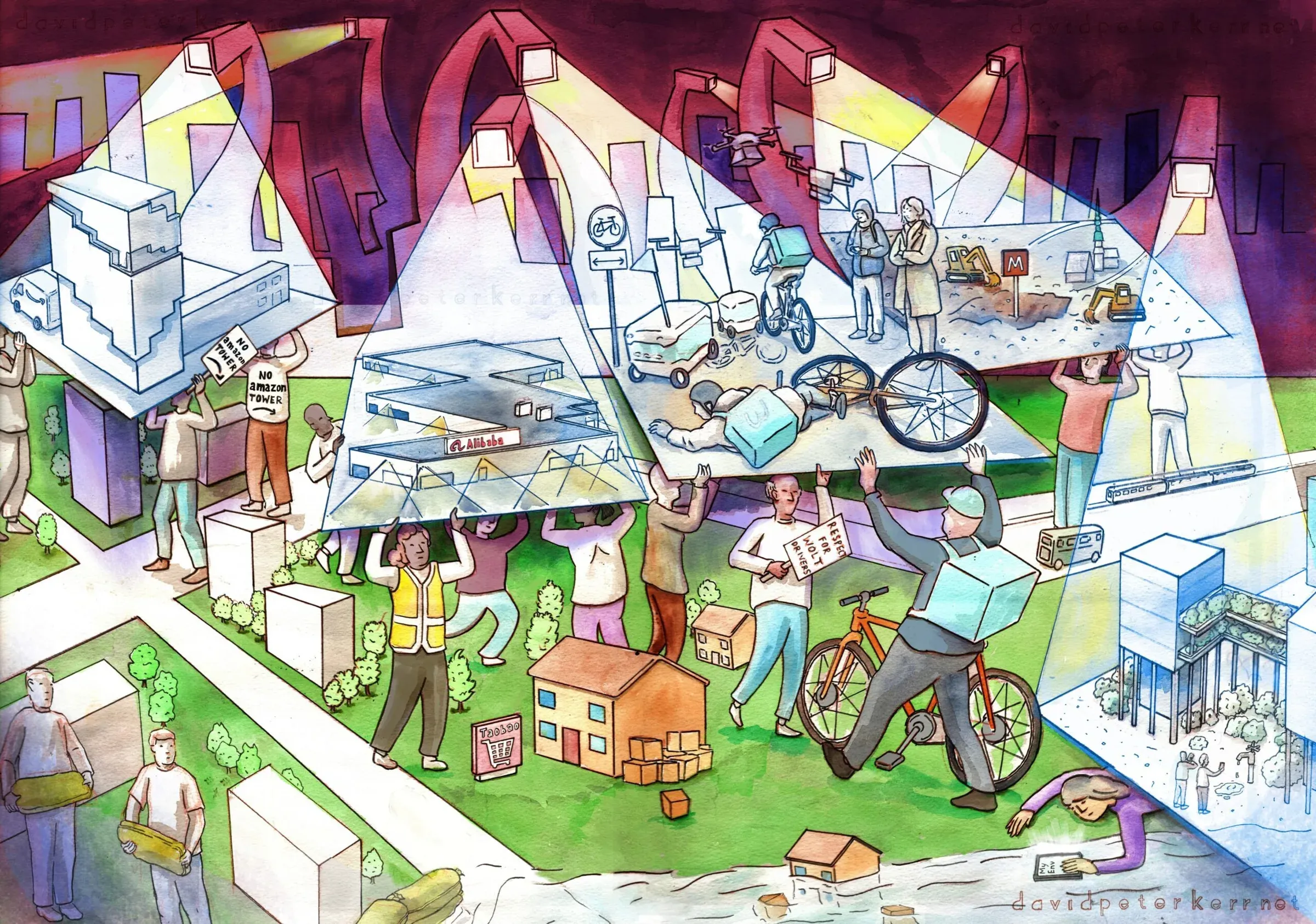
This edition argues for an understanding of technology not as a neutral tool driving inevitable progress, but a political and social force that shapes and is shaped by power relations, institutions, and everyday life. The contributions show how technology redistributes power, transforms places and behaviors, and often reinforces existing inequalities, calling for a more critical understanding of technology as a contested terrain of governance, control, and social struggle.
In this issue
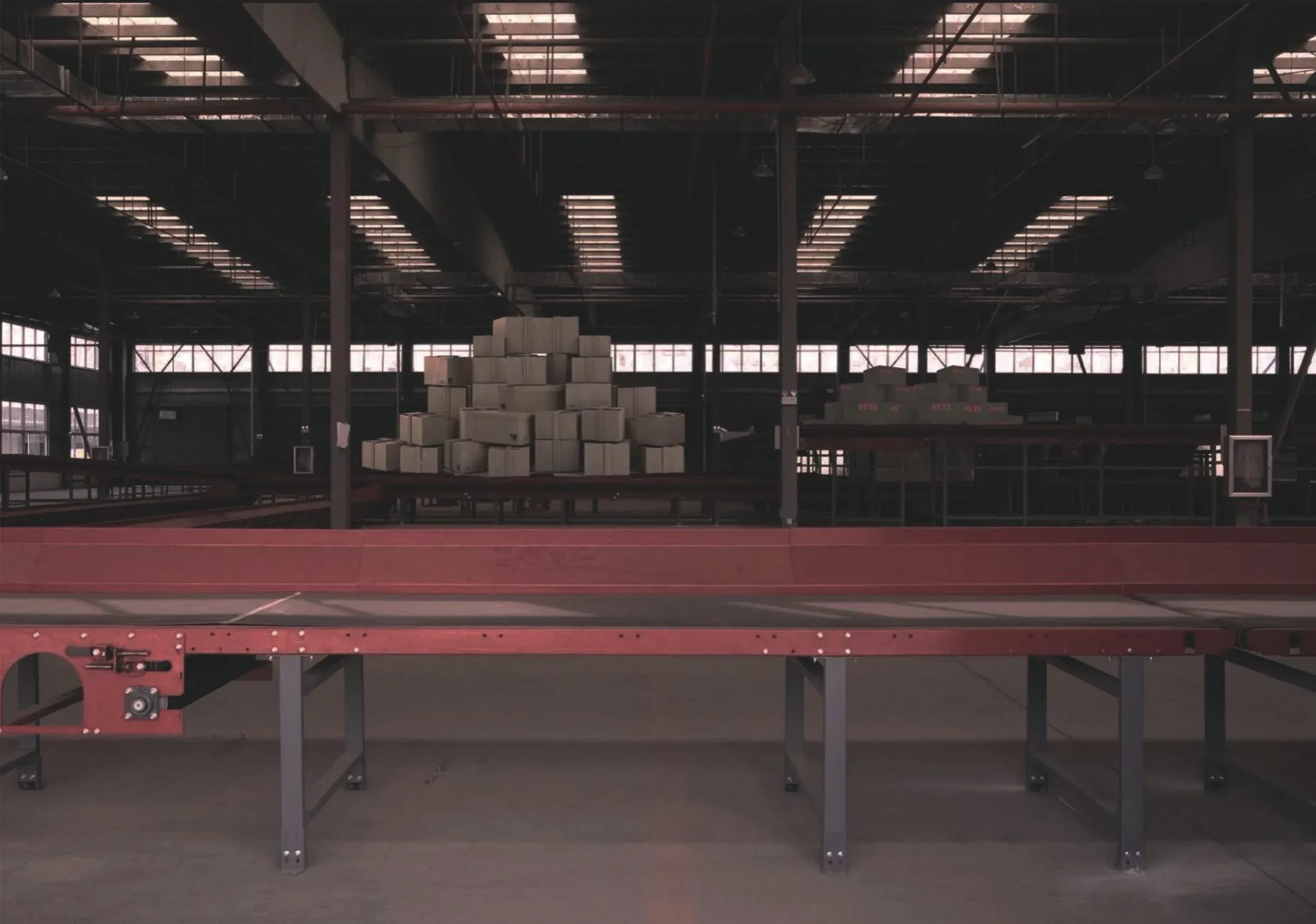
Beyond Metronormative Digitalization. Taobao Villages and the Rural Rewriting of Platform Space
Sofia Leoni
When we think about “technology,” we often misassociate it with big cities, large-scale automation, and smart urban systems. We imagine vast infrastructures, dense networks of cables, lithium batteries, data centers, and planetary connections.
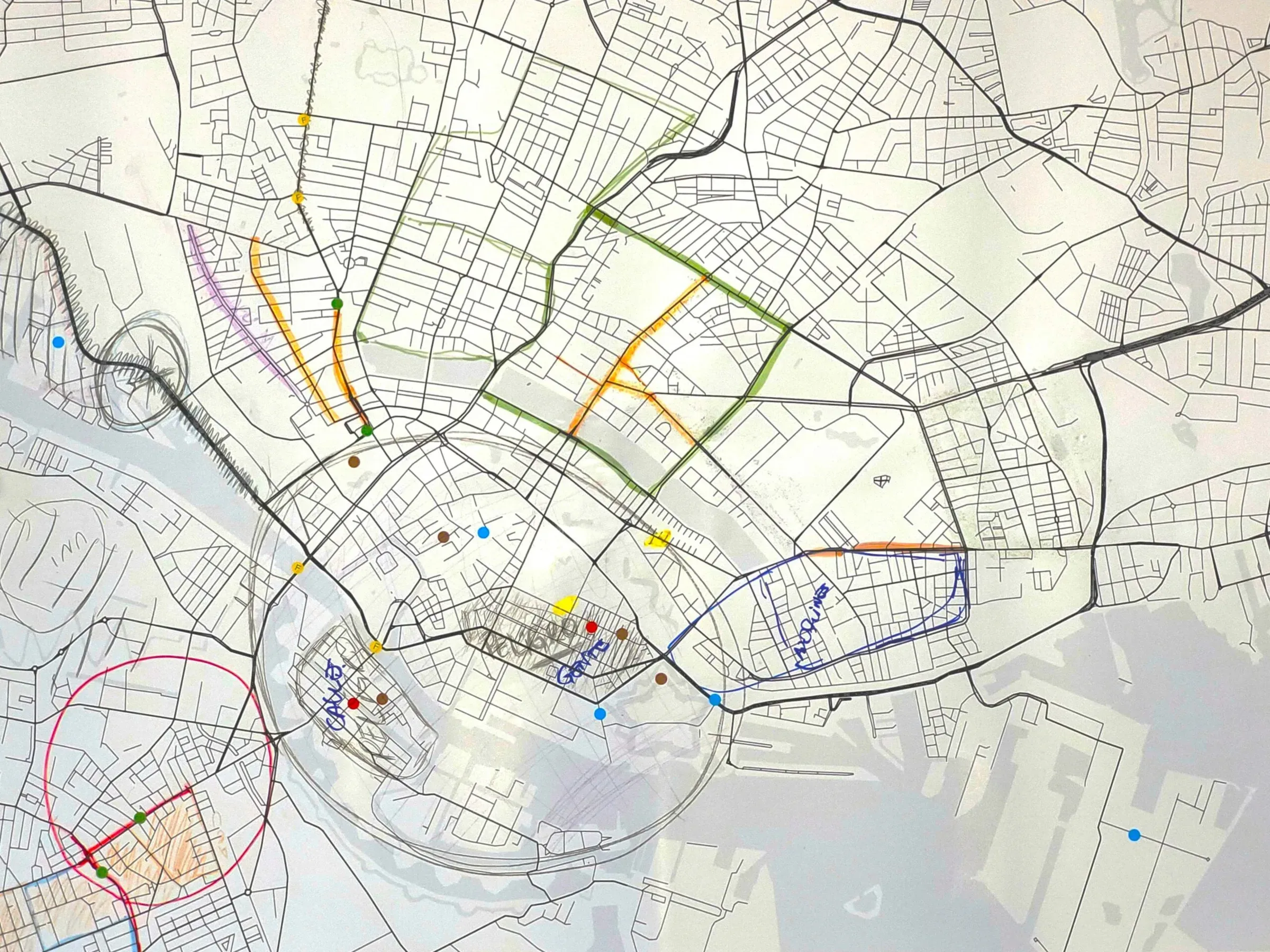
Frictions of Movement: Platform Work and the Urban Experience in Copenhagen
Agustín Müller
It is 5 p.m. on Nørrebrogade, one of Copenhagen’s busiest arteries. The bike lanes fill quickly: commuters ride in disciplined flows, cargo bikes glide past cafés, and traffic lights regulate movement with near-mechanical precision.
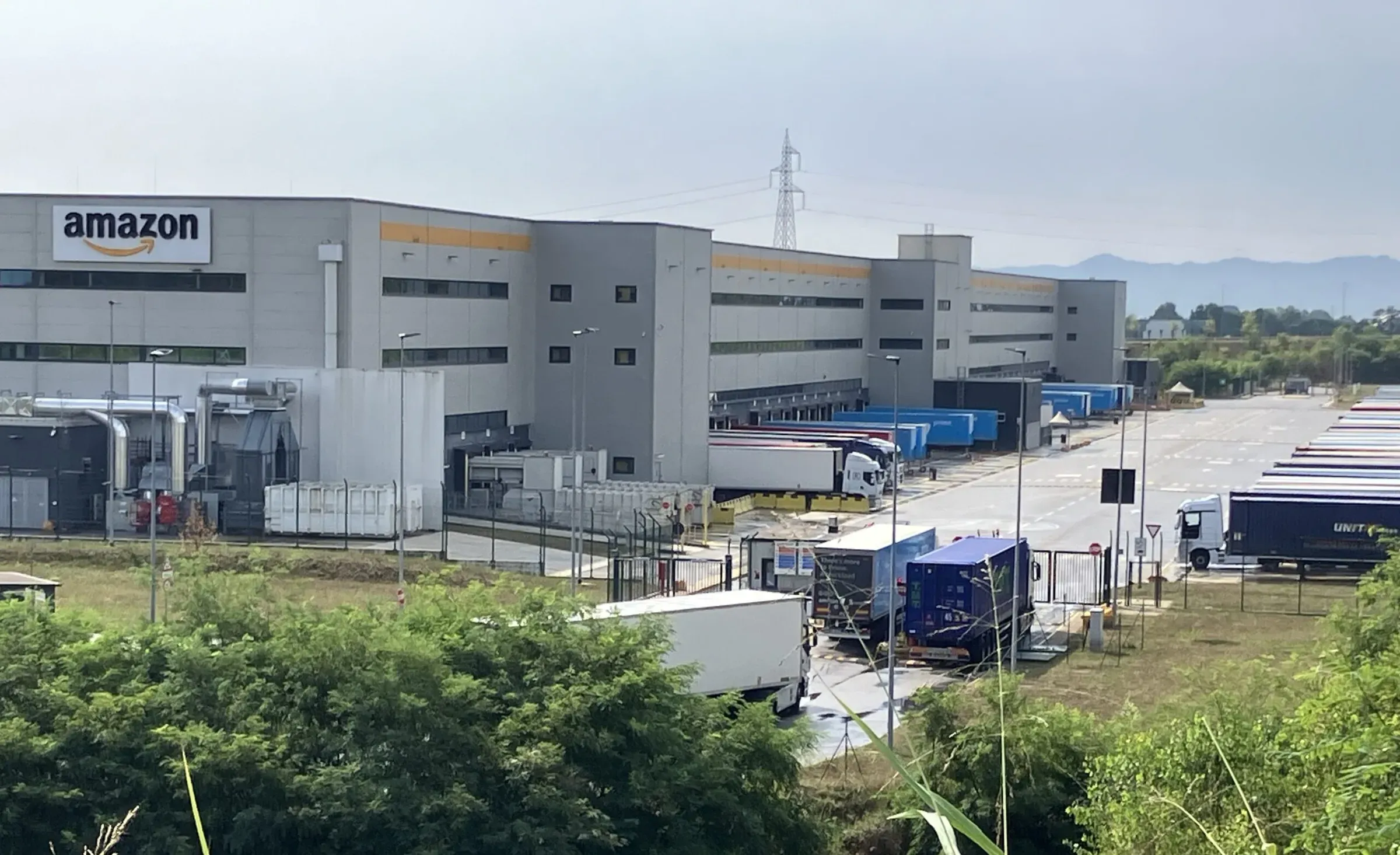
Location Matters: Amazon’s Logistics Spaces in Italy
Deepa Joshi
There is growing concern about the possibility for Large Digital Platforms (LDPs) (e.g., Google, Facebook, and Amazon) to acquire infrastructural status across urban units, from cities to municipalities, regions, and more.
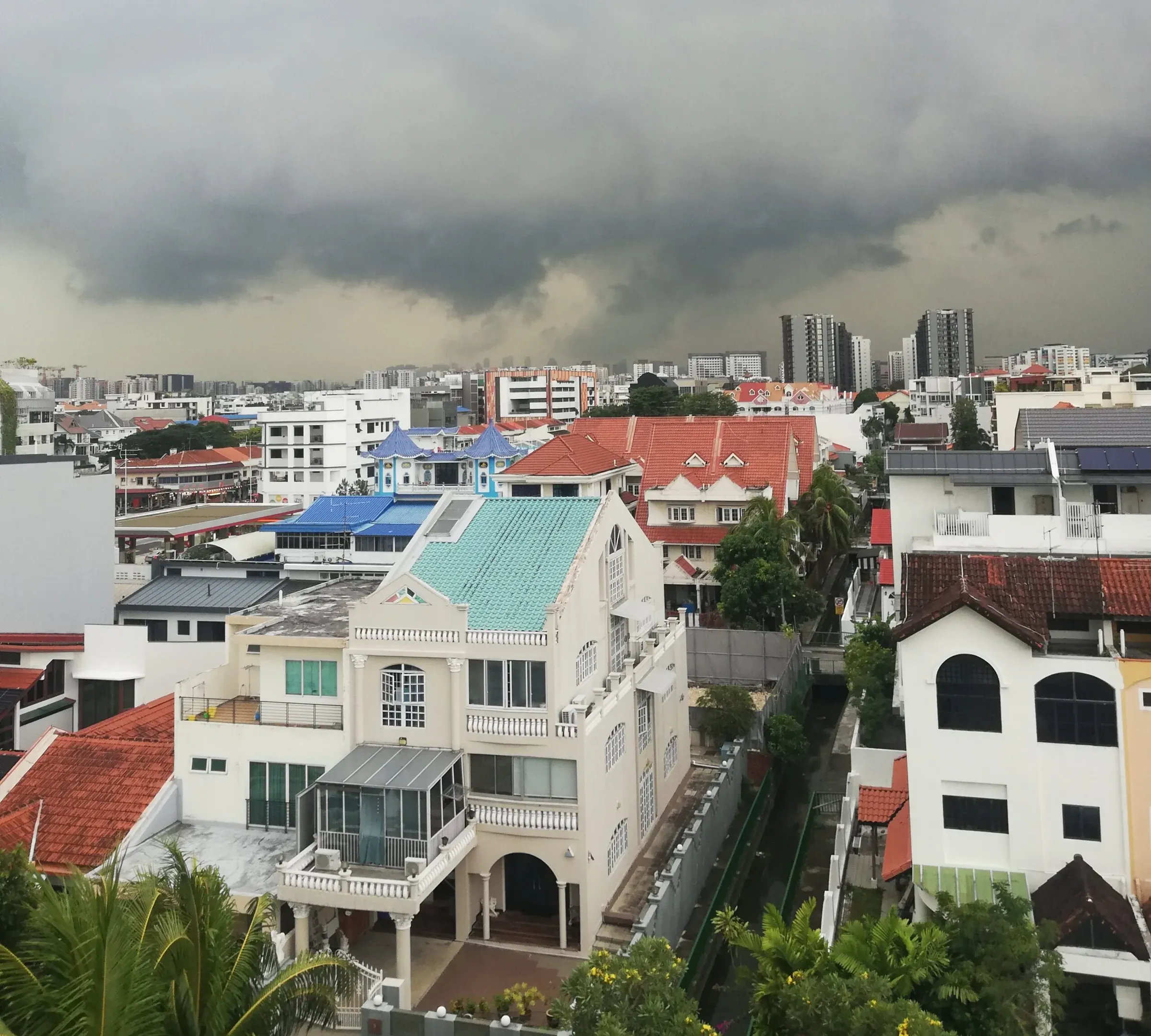
Navigating flash floods and dengue clusters: Maintaining the urban rhythm of life through environmental apps
Carin Graminius
Digital monitoring technologies are often regarded as smart solutions to various urban challenges, including flooding and water scarcity (Augusto, 2021).
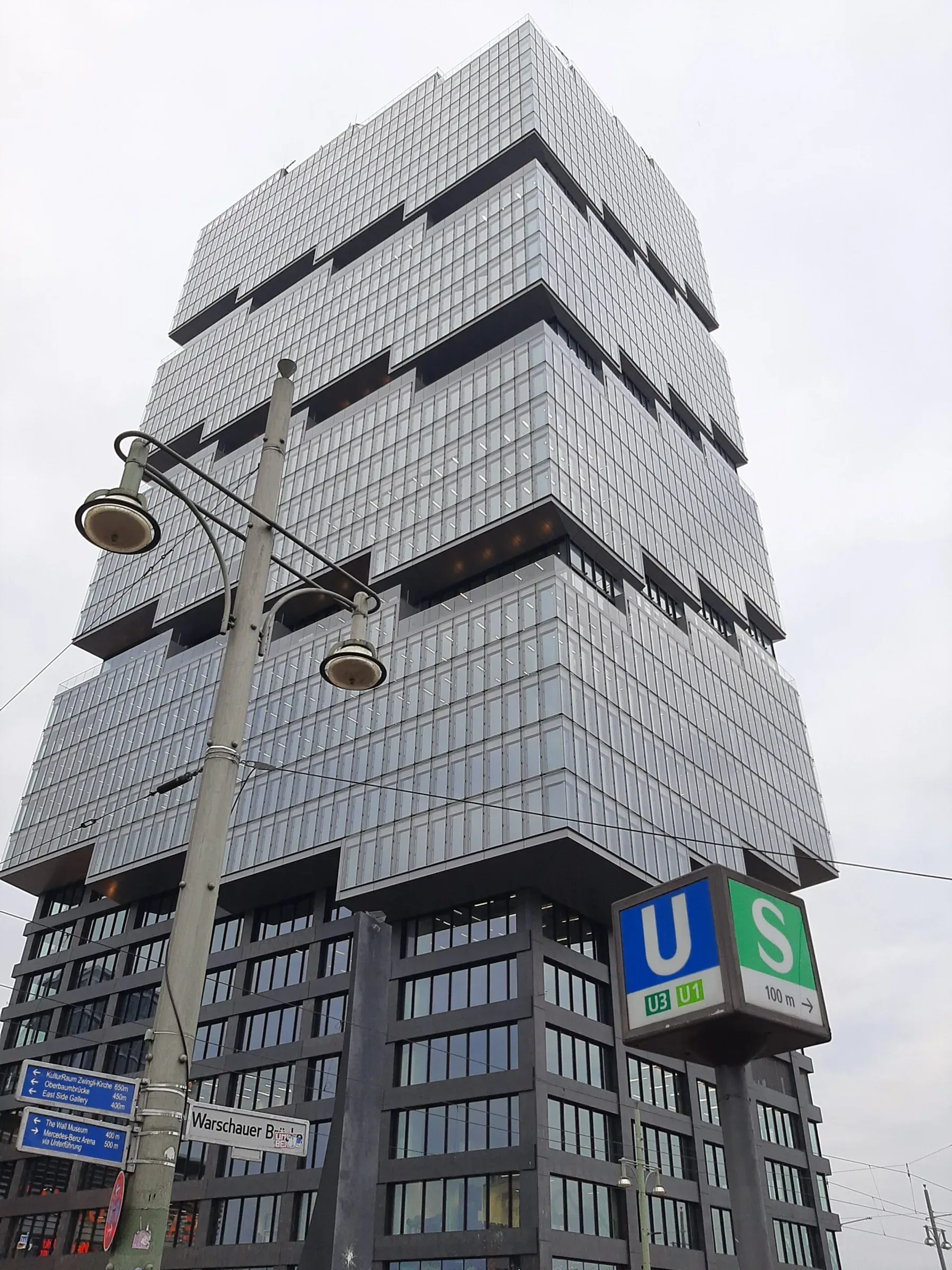
Tech Giants as Generators of New Centralities: Countering Hegemonic Narratives in Berlin
Ruggero Signoroni and Deepa Joshi
In the broad context of urban digitalization, public policy agendas and hegemonic narratives are often intertwined with each other. This makes it hard for both analysts and the public audience to distinguish concrete repercussions on the urban and regional scales.
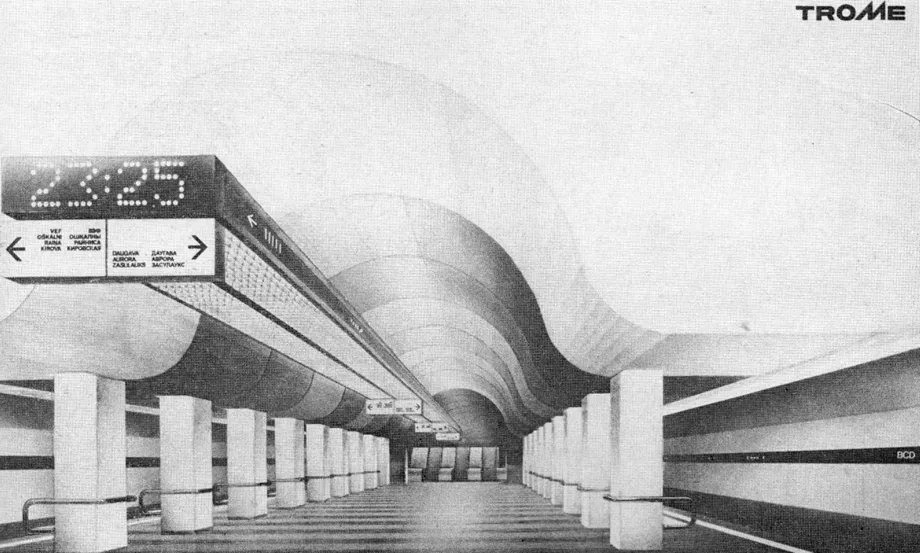
Technoscience and infrastructure: The Riga metro as a tool of legitimacy and dissent
Michelangelo Fusi
Historically, transportation planning has been considered an extremely technocratic disciplinary field (Banister & Finch, 2013).
Challenging Technology’s Domination in the Urban: Critical Perspectives and Approaches
When reading the title of this issue, readers of Urban Matters might wonder how yet another critical perspective on ‘technology in the urban’ could significantly impact our perception of the transformations urban civilization is going through.
 Ruggero Signoroni