Aubrey Dawne Edwards and Arianna King
Abstract
The city of Cape Coast, in the West African nation of Ghana, is referred locally by the name Oguaa—a word thought to be derived from the Akan word gua, meaning market.
- Published
- September 27, 2021
- Issue
- Tales of a City
- Reading time
- 2 min
The PDF isn’t ready yet.
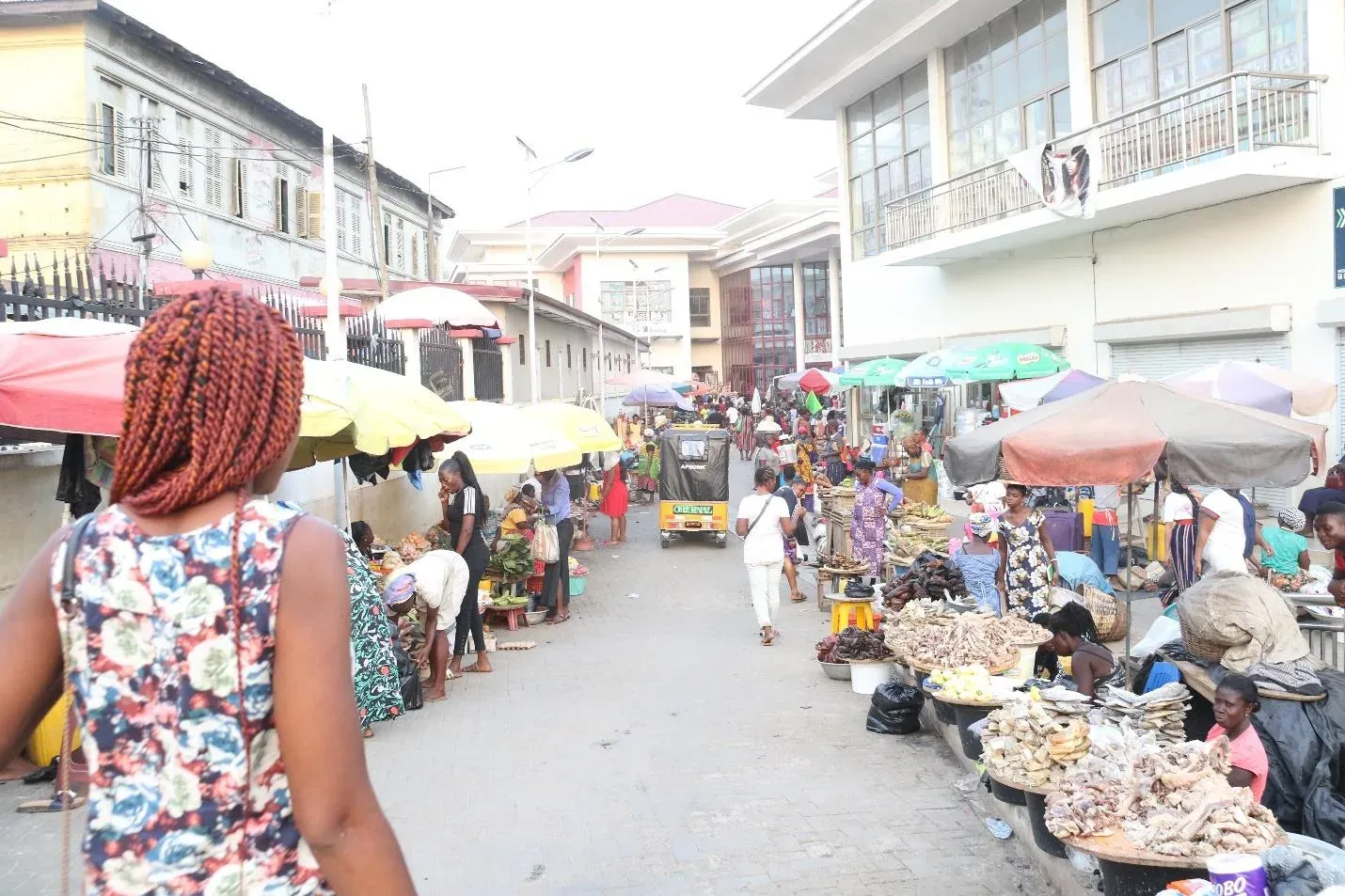
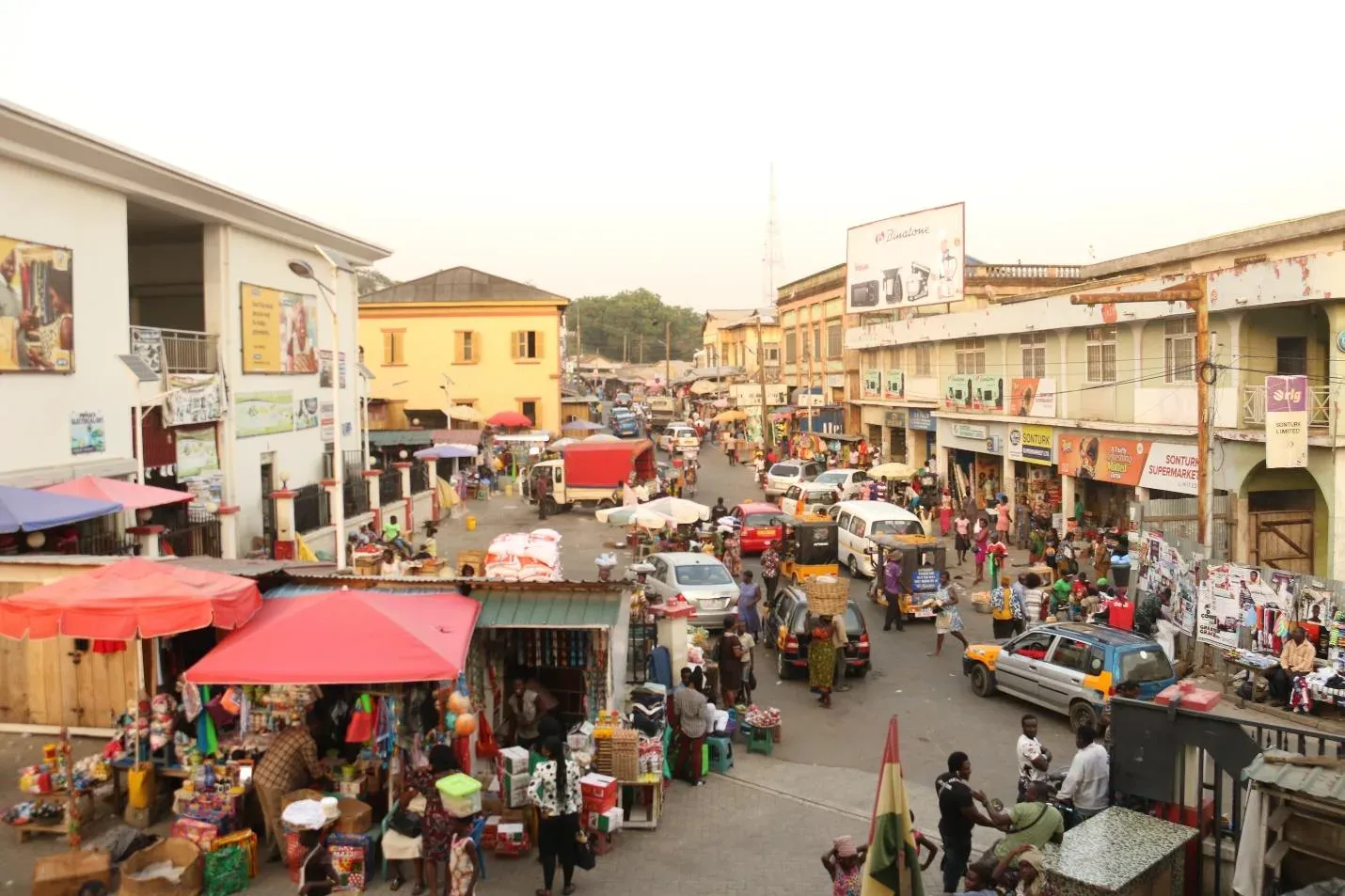
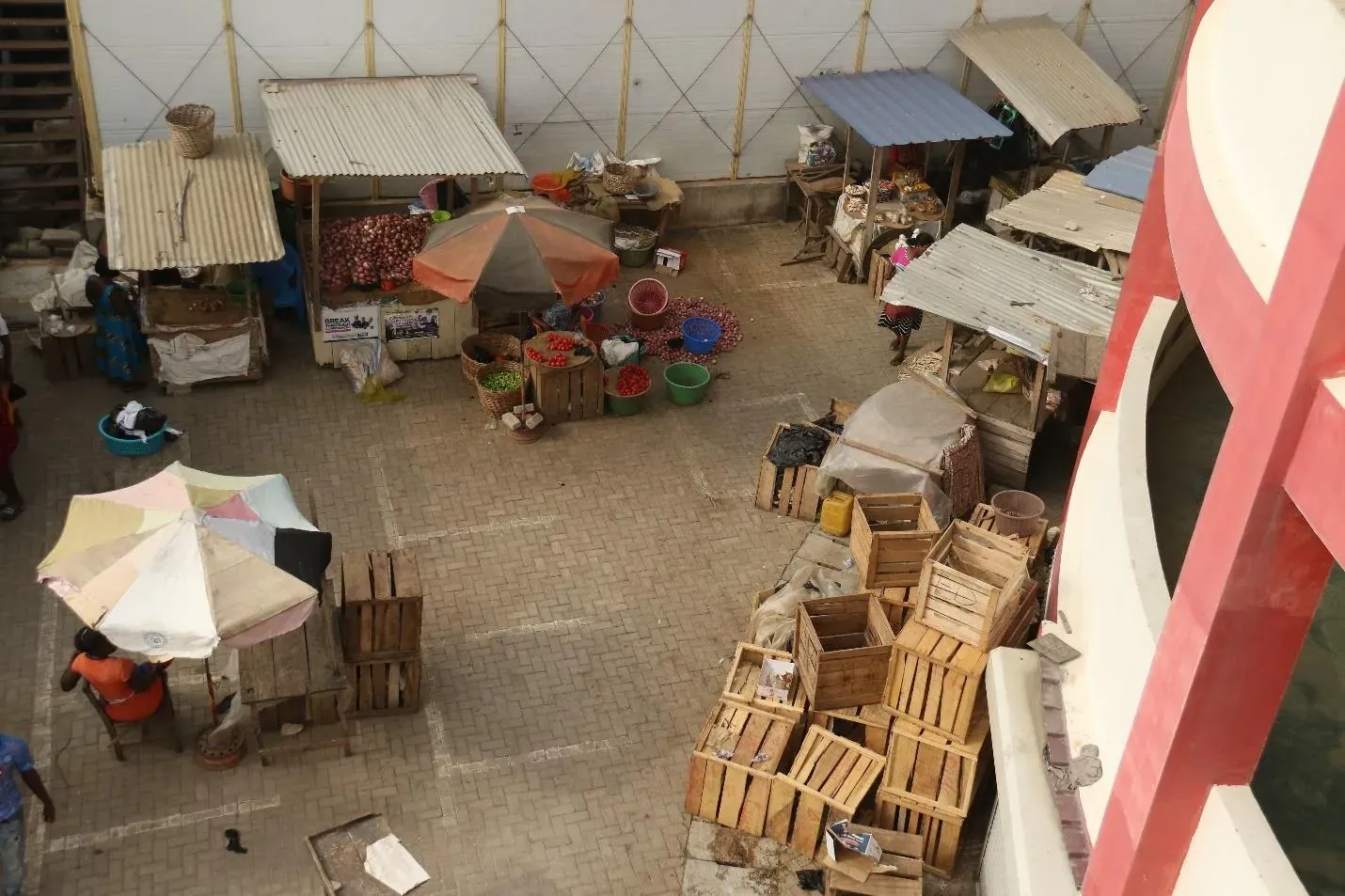
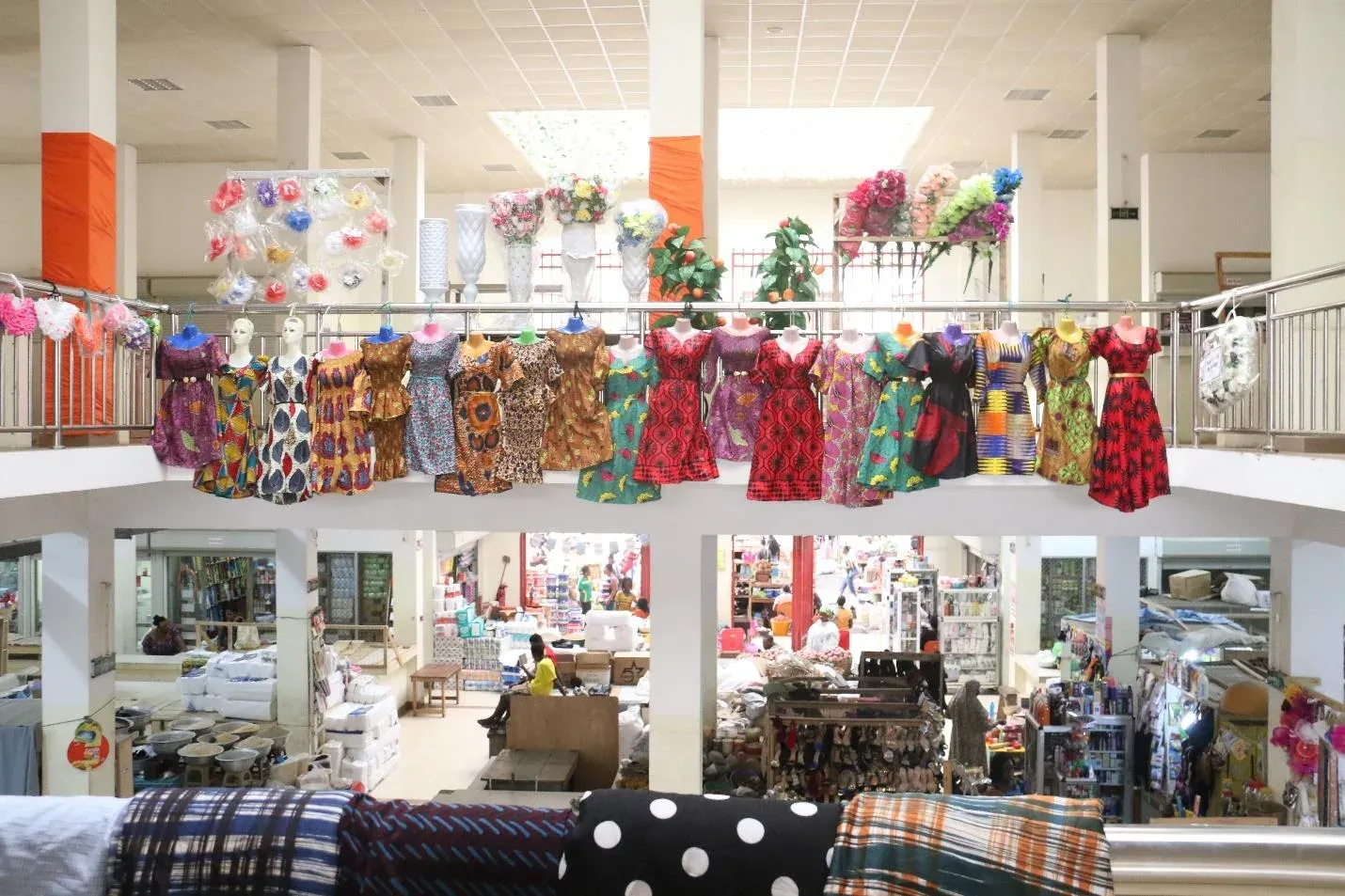
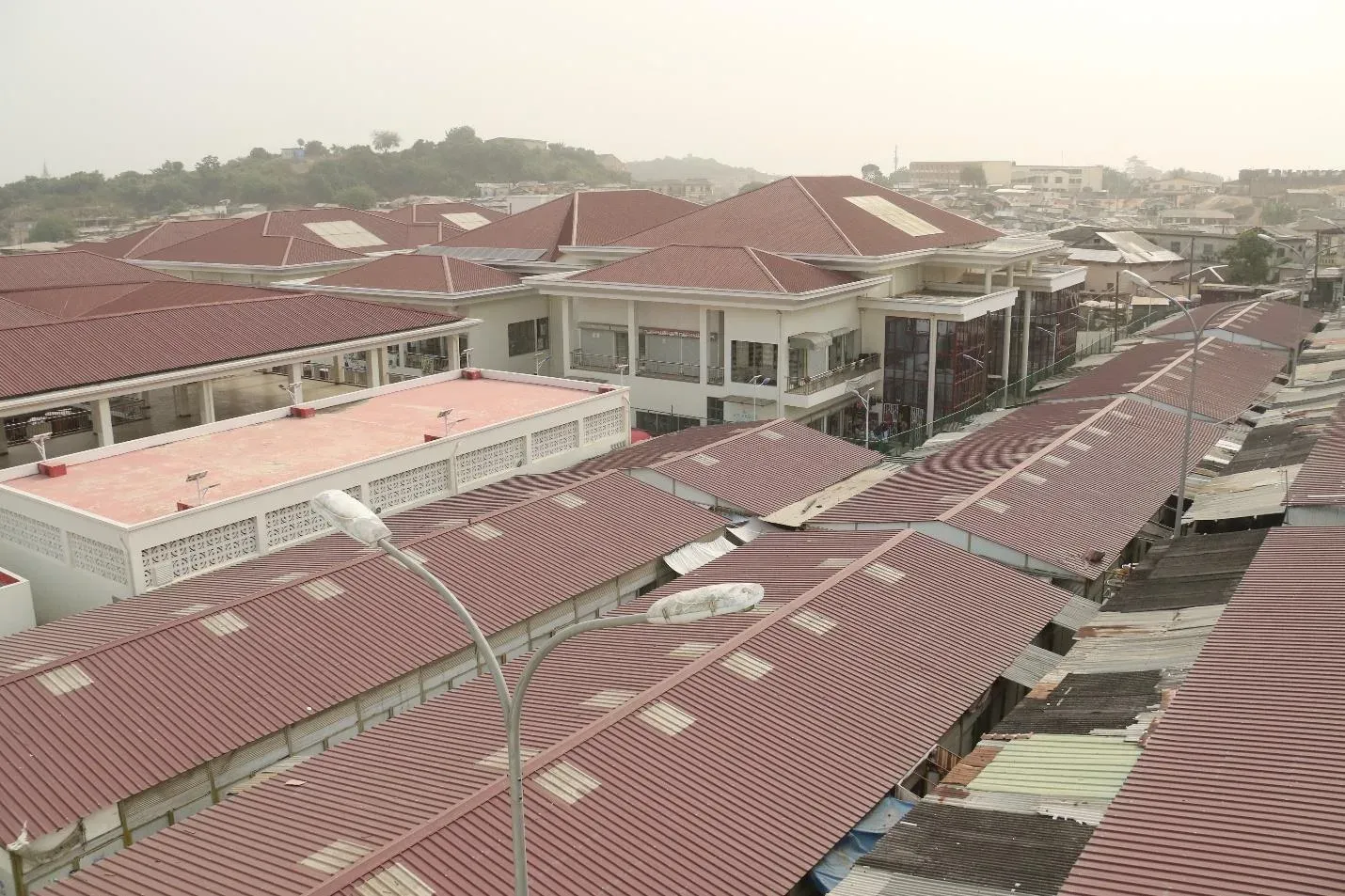
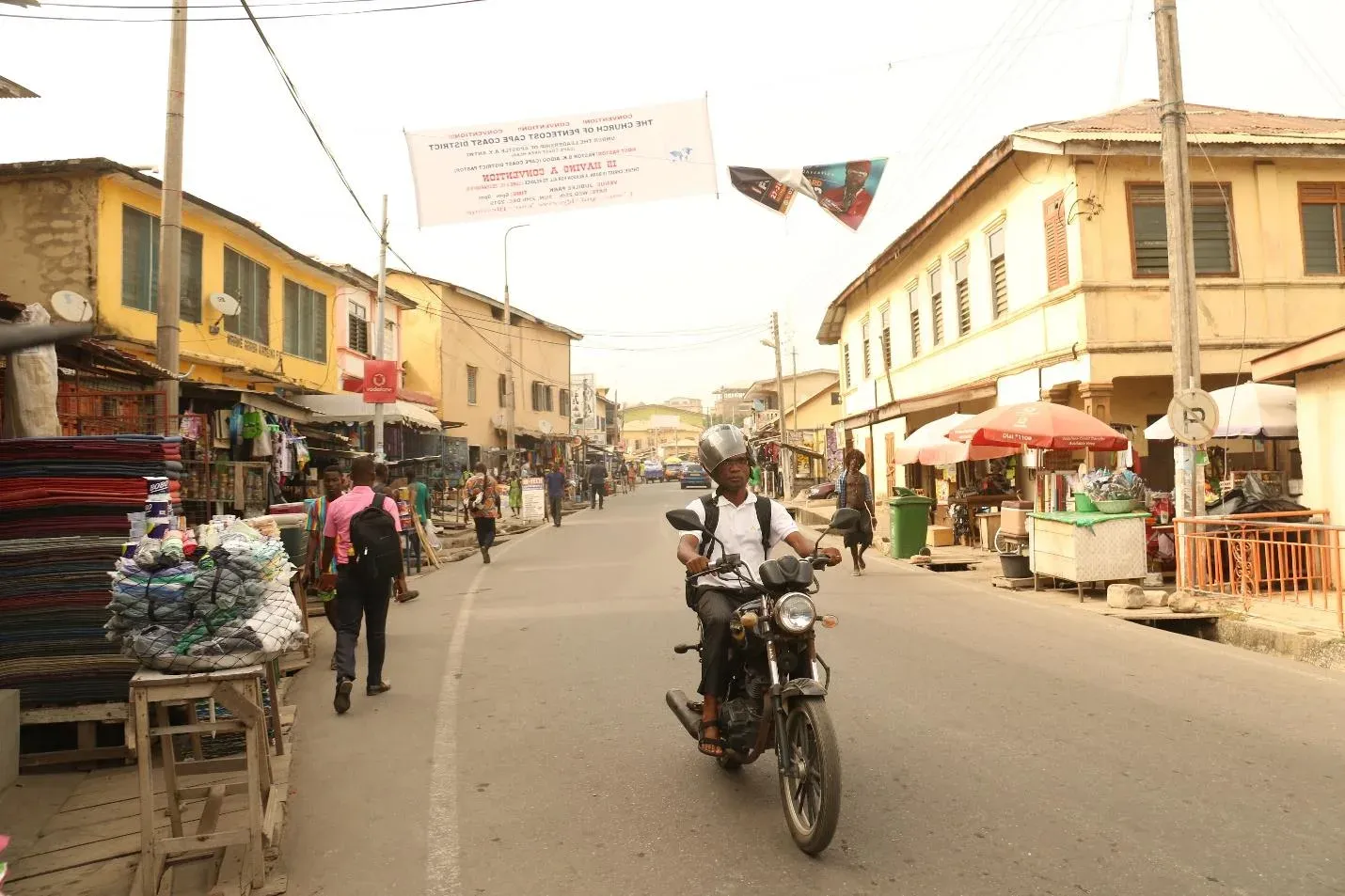
The city of Cape Coast, in the West African nation of Ghana, is referred locally by the name Oguaa—a word thought to be derived from the Akan word gua, meaning market. At the heart of this city sits an impressive complex of newly constructed story buildings carefully encompassed by a wall of concrete and wrought iron. The triangular site at the branch of two of the Old Town area of Cape Coast’s main arteries, where these structures sit, was formerly home to the city’s most popular and bustling commercial space: The Kotokuraba Market. While urban scholars frequently identify Africa as the most rapidly urbanizing continent on the planet, conjuring images of heavy traffic choking urban cores and the blurring of boundaries between city and hinterland, these tropes paint only a half picture of the urban processes underway across the continent. The reality of urbanization and more importantly the socio-spatial dimensions of urban change has a much different consistency in both its material qualities and in its imaginaries.
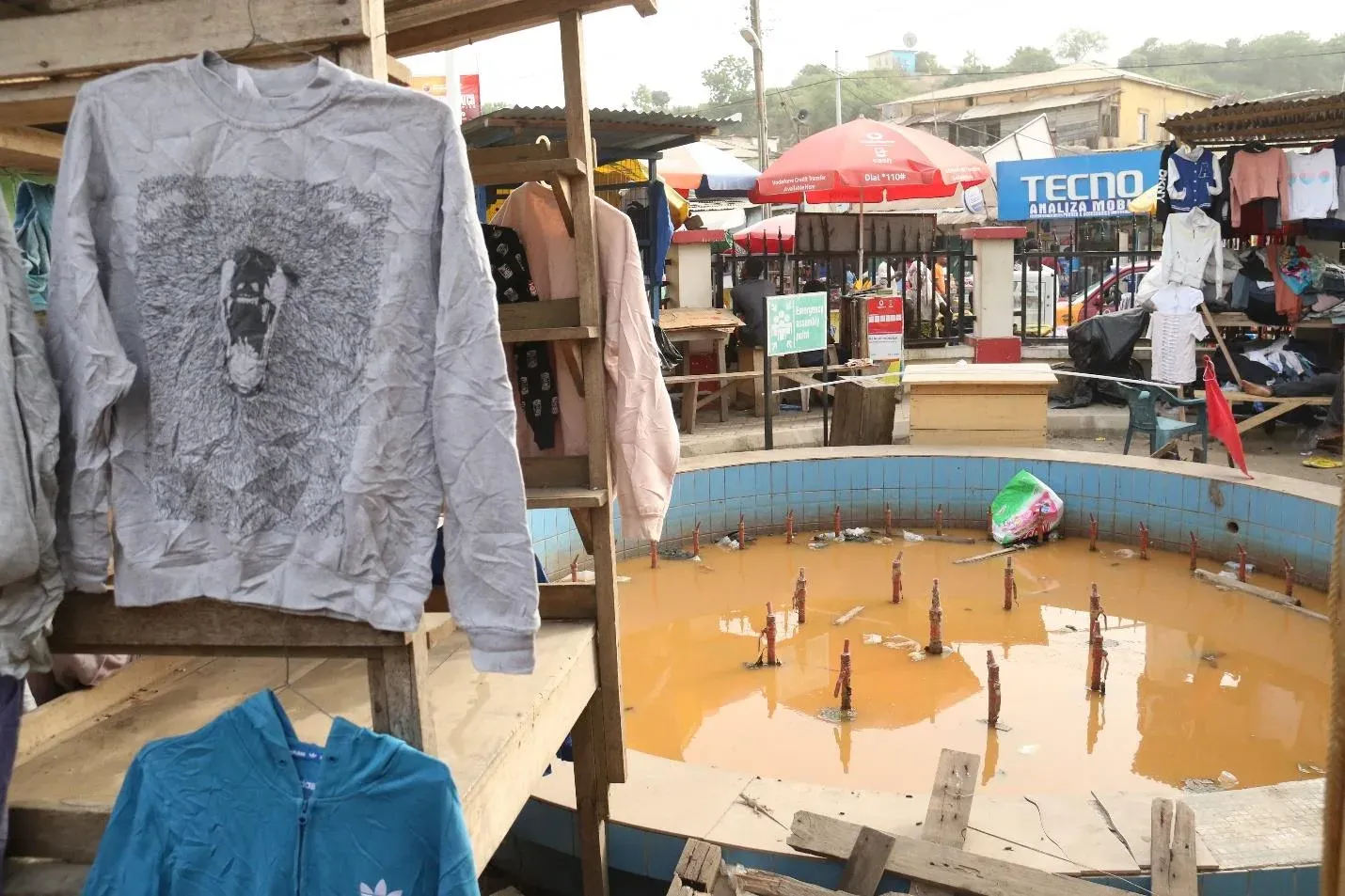
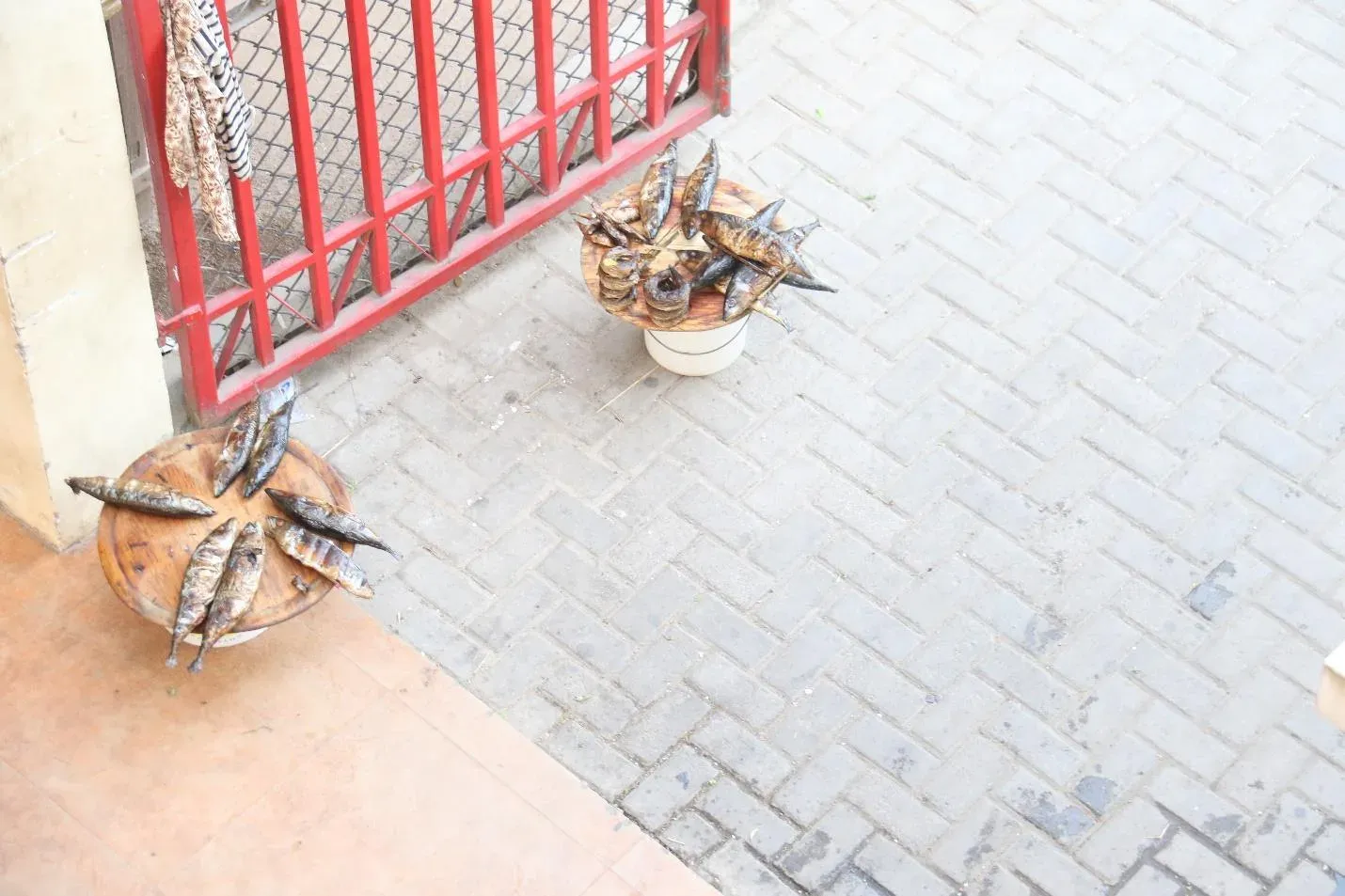
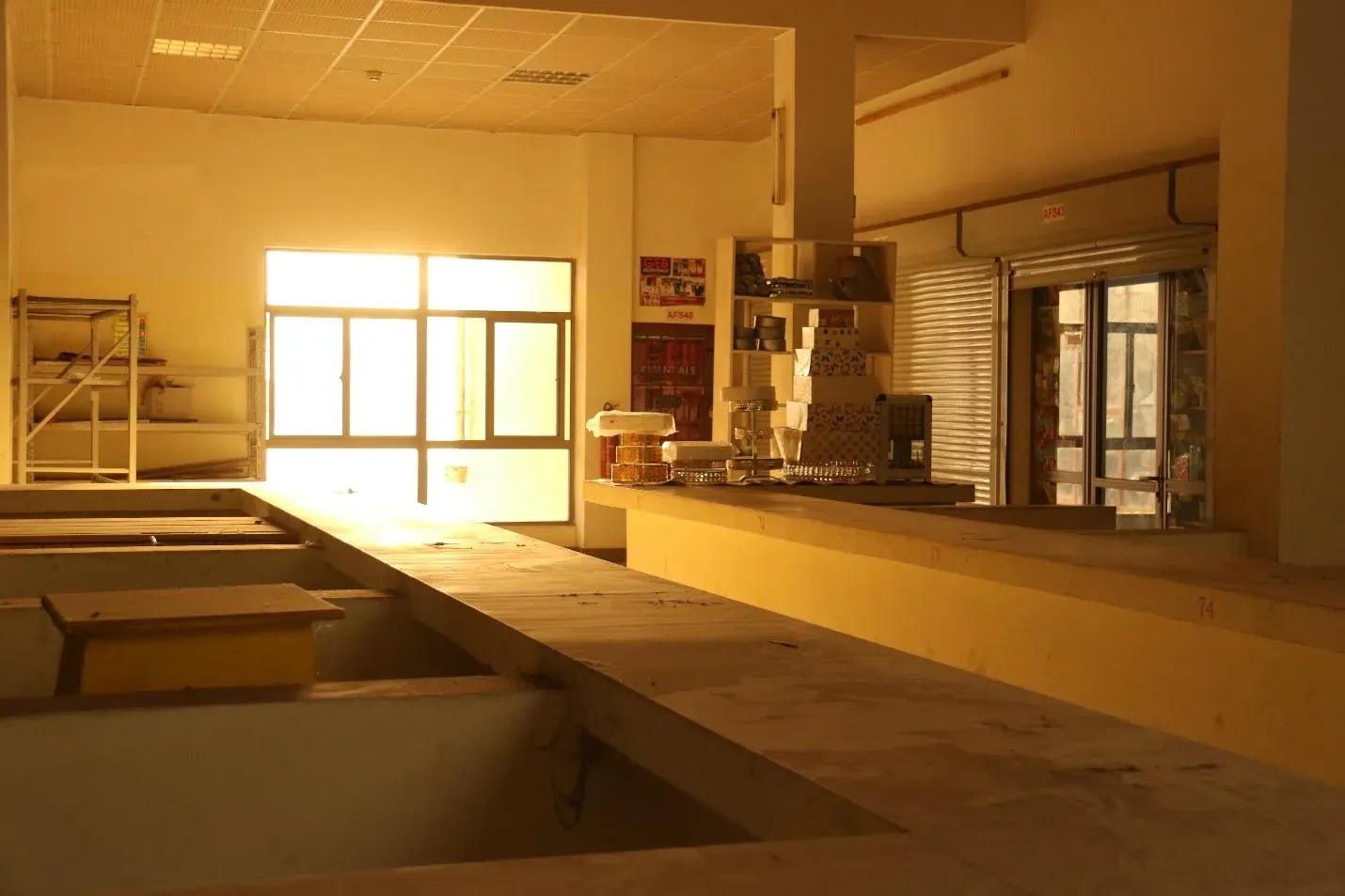
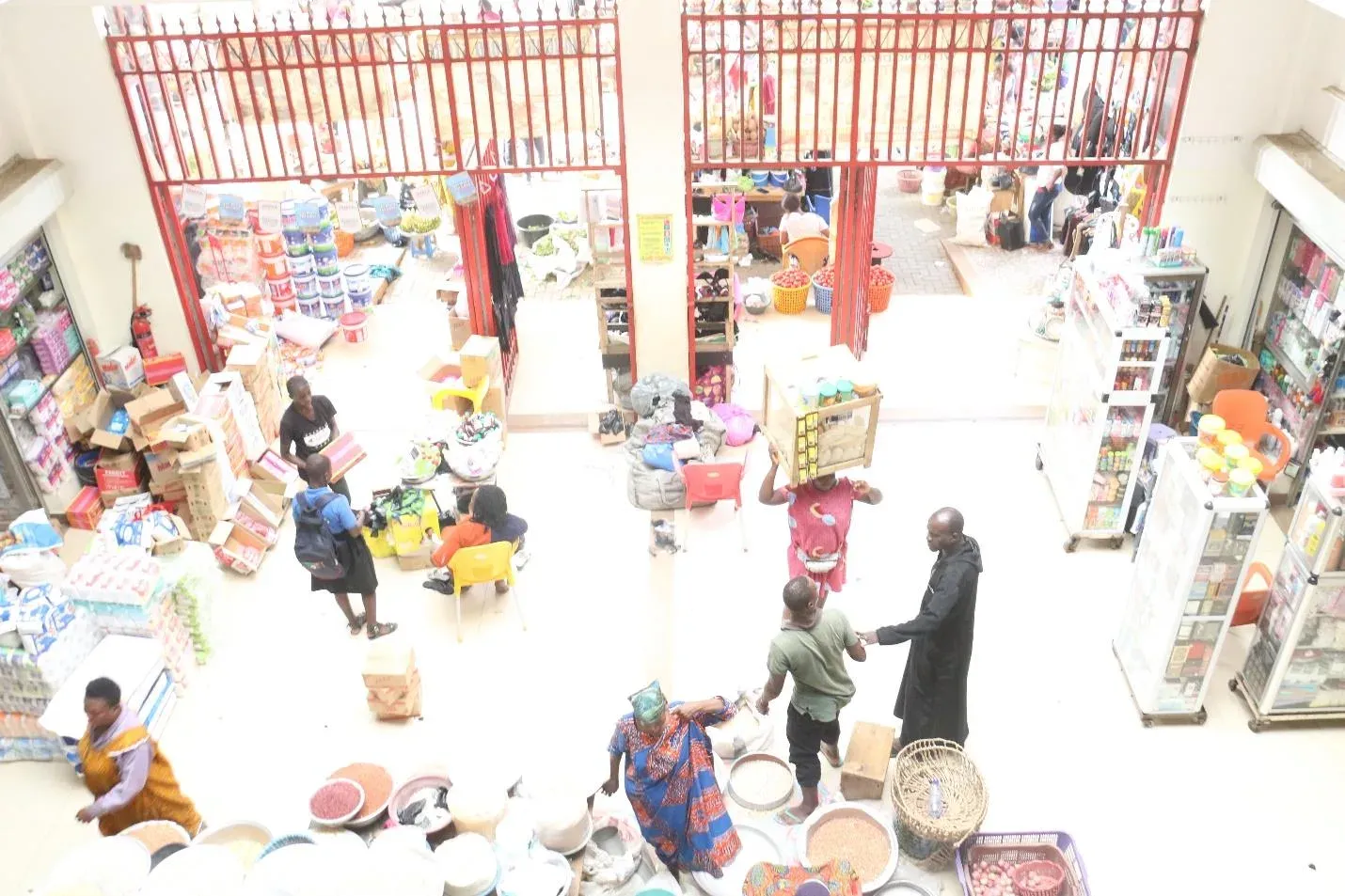
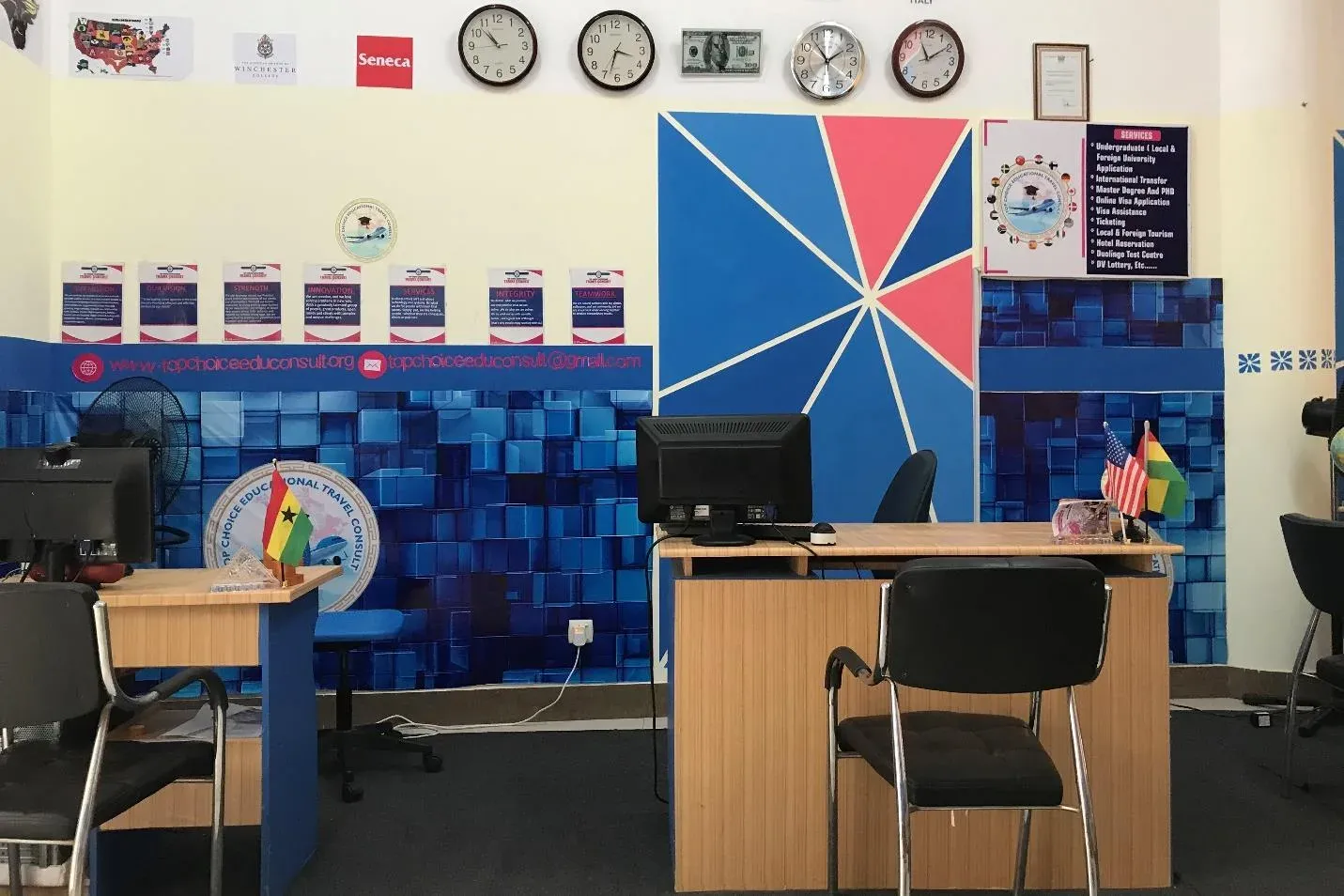
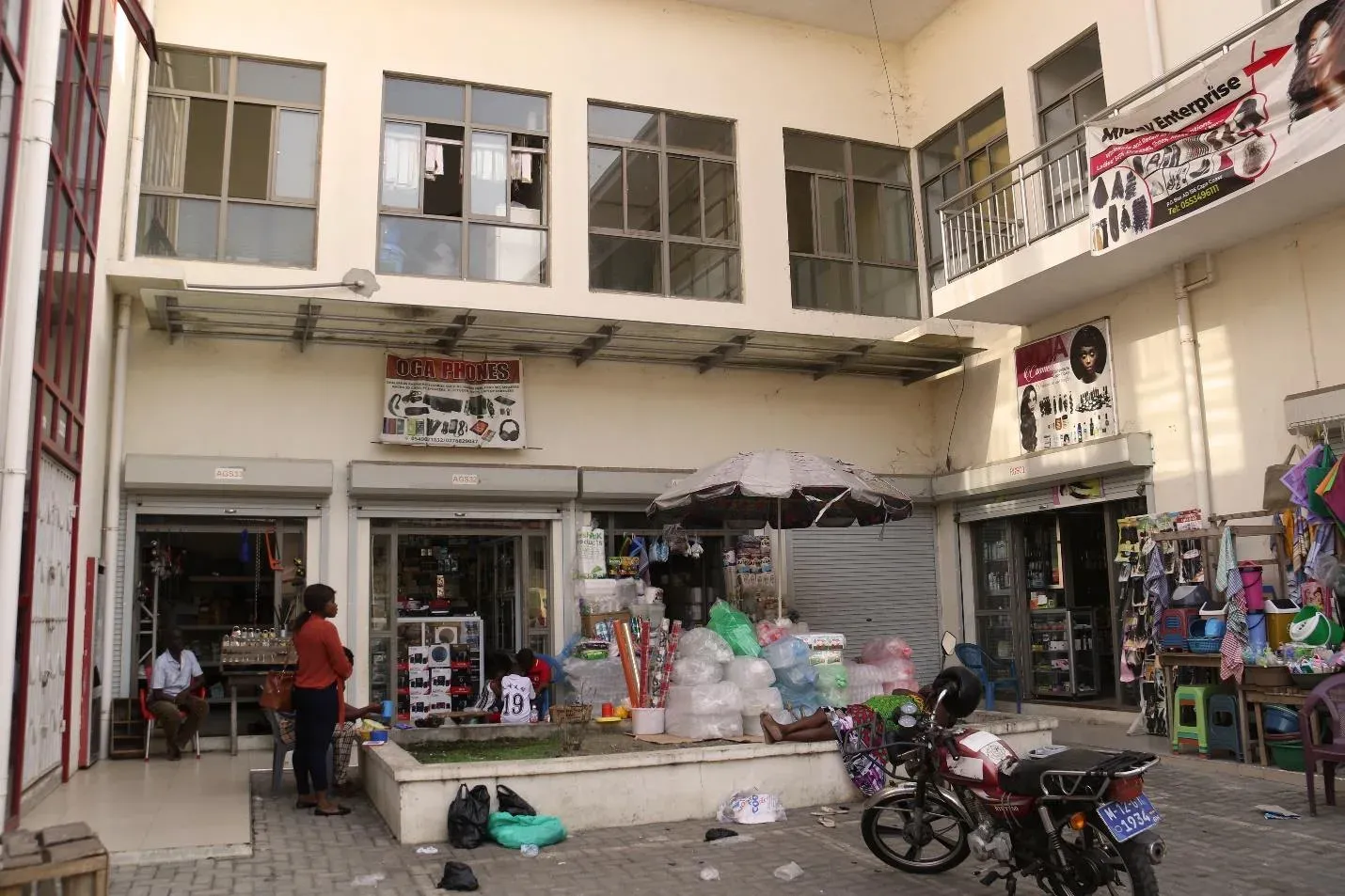
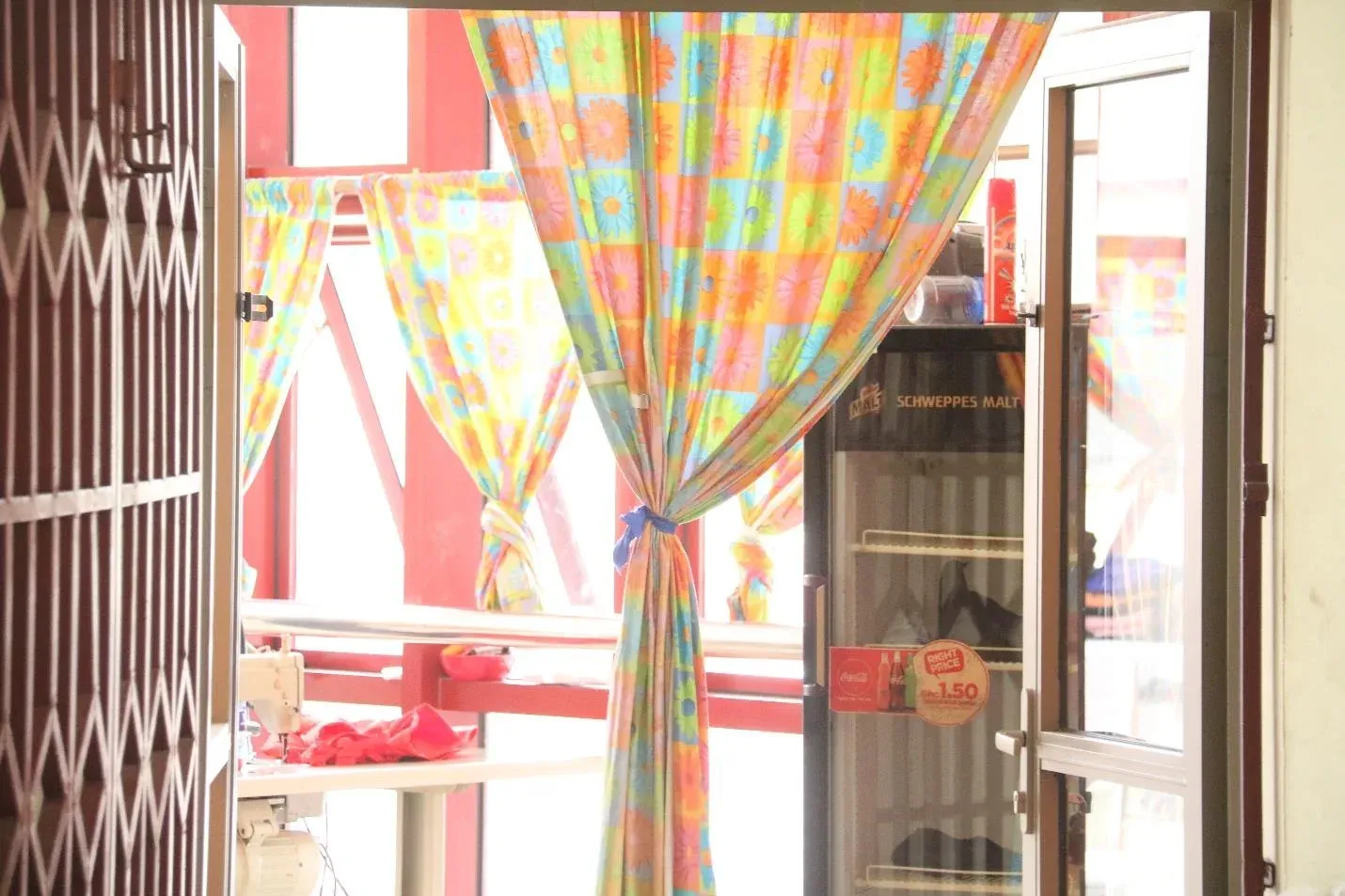
The photos in this visual essay present a closer look at the texture and hue of this change by offering a closer look at this historic West African market in the aftermath of its relentless and destructive march toward modernity. Captured in 2020, just a few years after its transformative redevelopment, these images tell a story of the stark contrasts and subtle harmonies that comprise one’s experience of urban change on the level of the everyday. Looking at these snapshots of a place frozen in time, we see hints of political and economic structures beyond the market walls as well. Their shadows tell us that the community of market vendors, who in December of 2014 were ordered from shops in the old structure that many had inhabited for generations, have now began to carve out new spaces and strategies for their ever-evolving entrepreneurial endeavors. A forgotten planter box overtaken by a nearby vendor’s attempt to attract passing customers in one of the market’s plaza (Photo 10), and a forgotten and muddied fountain (Photo 3) both serve as evidence of not only the way in which people create and in turn are created by the spaces around them (Lefebvre 1984), but also how state led attempts at creating more modern, legible spaces ultimately highlights the impossibility of actualizing political and economic promises of modernity (Scott 1998; Ferguson 1999).
From the ubiquitous tans and purples of a woven basket spilling Violet de Galmi onions onto to the new market’s white tile floor (Photo 9), to the bright red paint on the market’s prominent atrium dome shadowed by the haze of the Harmattan winds (Photo 2), the shapes and colors of this chapter of the Kotokuraba Market’s history begins to write a new story of market life in the city of Cape Coast. The photos presented in this essay offer a glimpse of the important details of contemporary life in this urban market while also reflecting individual’s own ideations of possible futures.



References
- Ferguson, J. (1999) ‘Expectations of Modernity: Myths and Meanings of Urban Life on the Zambian Copperbelt’, Perspectives on Southern Africa, 57.
- Lefebvre, H. (1984) The Production of Space. Donald Nicholson-Smith, tran. Blackwell Publishing.
- Scott, J.C. (1998) Seeing like a State: How Certain Schemes to Improve the Human Condition Have Failed. New Haven: Yale University Press.
About the authors

Aubrey Dawne Edwards
Aubrey Dawne Edwards is a veteran photographer, visual anthropologist, storyteller and educator with an Associate of Applied Science in Photography, a Bachelor of Journalism, and a Master of Science in Urban Studies. She has been the recipient of numerous grants and residencies and has exhibited and published work extensively nationally and internationally.

Arianna King
Tulane University
Arianna King is a Doctoral candidate in Urban Studies in the City, Culture, and Community Program at Tulane University. Prior to doctoral study, she earned a bachelor’s degree in Philosophy and Fine Arts from Brandeis University and a Master’s degree in Urban Anthropology & Urban Planning from the University of New Orleans. King is committed to the use of interdisciplinary approaches which combine historical, geographical, and anthropological theories and methods.
Cite this article
Harvard
Edwards, A.D. and King, A. (2021) ‘The fabric of urban change’, Urban Matters, 1. Available at: https://urbanmatters-staging.leadm.site/articles/the-fabric-of-urban-change/.
APA
Edwards, A. D., & King, A. (2021). The fabric of urban change. Urban Matters, 1. https://urbanmatters-staging.leadm.site/articles/the-fabric-of-urban-change/
BibTeX
@article{edwards2021the,
  author = {Edwards, Aubrey Dawne and King, Arianna},
  title = {{The fabric of urban change}},
  journal = {Urban Matters},
  year = {2021},
  volume = {1},
  issn = {2004-206X},
  publisher = {Institute for Urban Research, Malmö University},
  url = {https://urbanmatters-staging.leadm.site/articles/the-fabric-of-urban-change/}
}