Issue 4 · December 2022
Just mobility, transport and urban infrastructures
Edited by Christina Lindkvist, Malmö University and Anders Melin, Malmö University
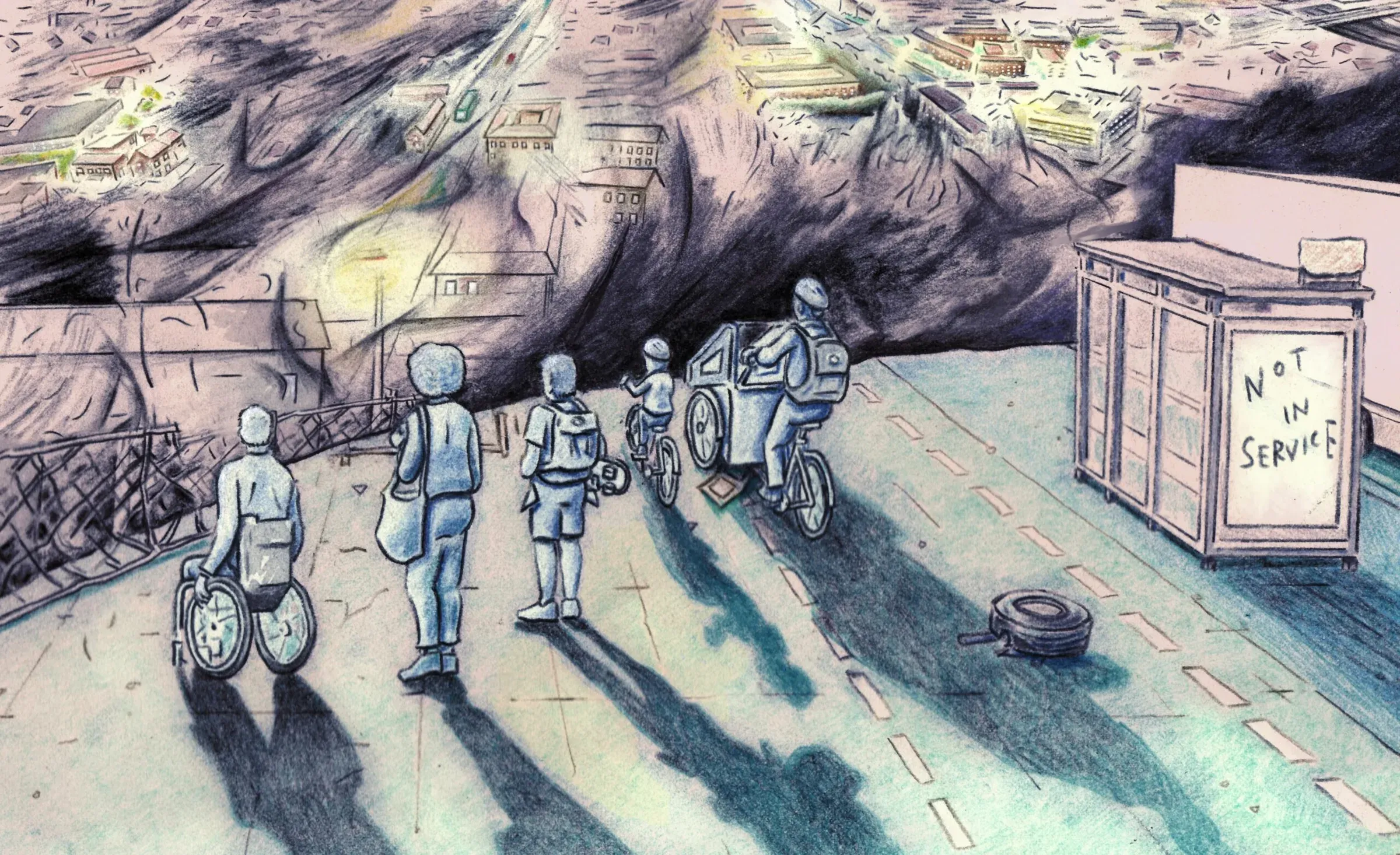
Stories of inclusion and exclusion.
In this issue
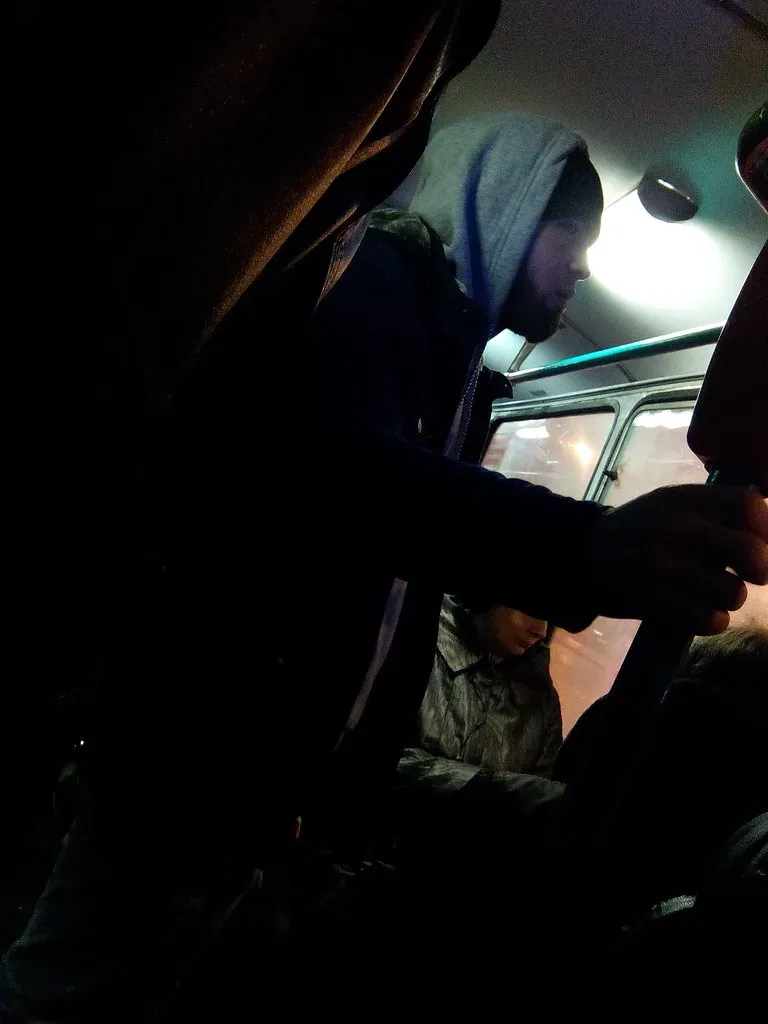
‘Less-than’ and ‘barely’ citizens: Young people’s public mobilities as precarious experiments of democracy
Tanja Joelsson, Dag Balkmar and Malin Henriksson
Right, the free summer pass was a thing. Yes, I had the summer pass, when was it, 2020. It was really good, the best thing.

For whom does the transport system care? The vulnerability of cycling in cities made for cars
Michala Hvidt Breengaard and Malin Henriksson
Everyday my 5-year-old son and I cycle to his kindergarten. He rides his children’s bike and I usually ride a cargo bike, which allows me to pick up him and his bike if his courage fails. It rarely does.
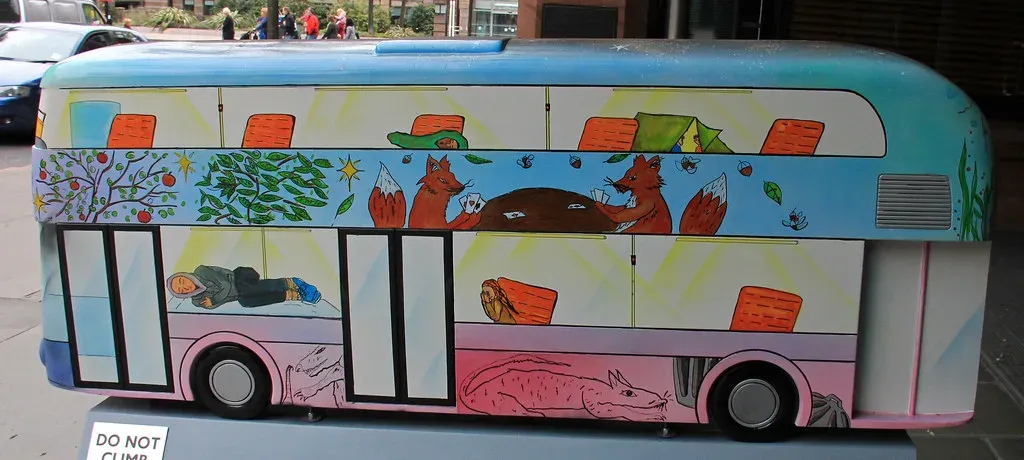
Transportation justice and the limits to the right to mobility in Clayton County’s transit struggles
Marcus Mohall
In recent years, transportation geographers and scholars from cognate disciplines have devoted significant attention to the idea of a “right to mobility.”
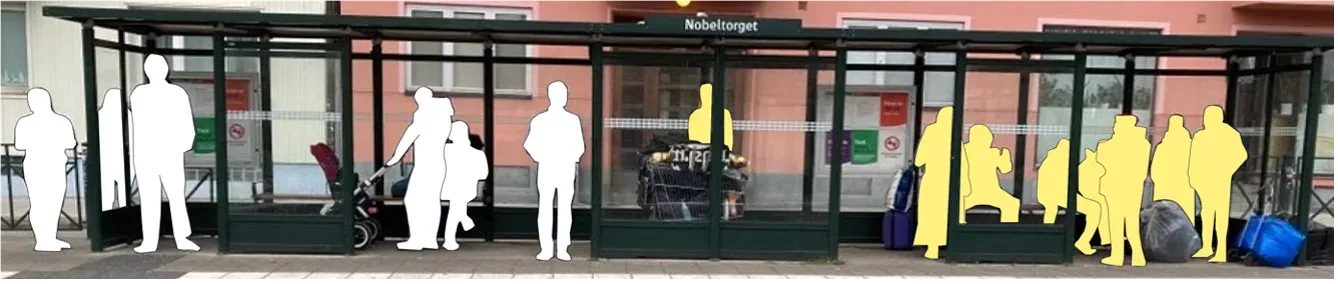
Transit places and the production of public spaces
Hoai Anh Tran and Jeongmin Hyeong
In conventional planning practice, the city’s material infrastructures have been considered as mere technical entities, and people’s movements in the city, urban mobility practices, perceived as merely functional, to move from one place to another.

Accessibility in public transport policy and planning practice in the Uppsala region – A Swedish case
Linnea Eriksson and Anders Melin
The transport system is important for individuals’ possibilities to work, educate themselves, participate in societal services, shop, etc. Shortly, the transport system is essential for the individual’s possibility to take part in society in an urban context for the individual’s “right to the…
 3
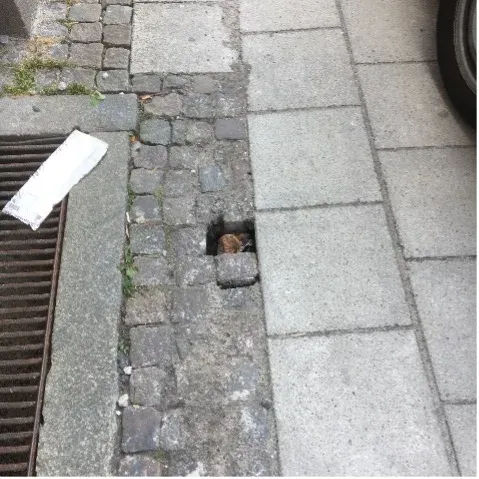
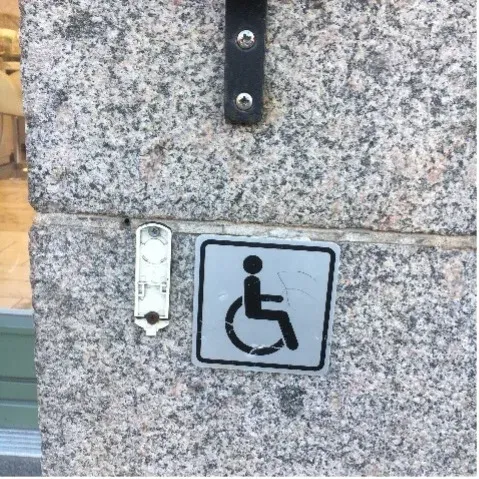
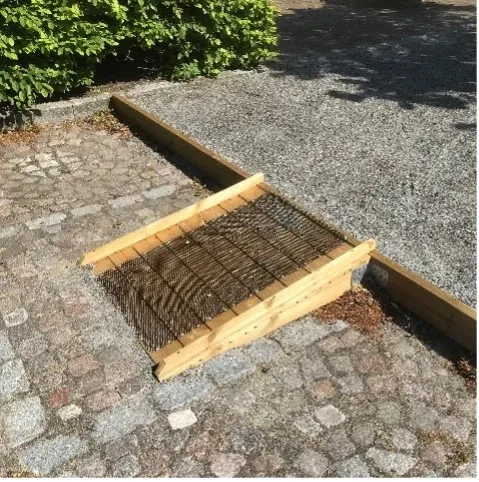
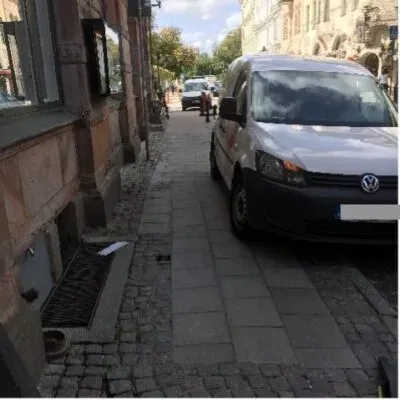
Disabled infrastructure: an urban photo essay
Kristofer Hansson
In 1968, the French philosopher and sociologist Henri Lefebvre published his book The right to the city (Lefebvre, 2009).
Karen Lucas, you are one of the more prominent scholars worldwide when it comes to transport equity and social inclusion, you are cited in almost any paper I can think of dealing with issues on transport and social exclusion and you have contributed in significant ways in opening this research…

 Karen Lucas and Christina Lindkvist
Interview with Karen Lucas
Just mobility, transport and urban infrastructures – stories on inclusion and exclusion
At the beginning of the 2000s, the conventional transport planning paradigm was challenged and had to give way for a different understanding of mobilities.

 Christina Lindkvist and Anders Melin