Issue 3 · May 2022
Dislocating Urban Studies
Edited by Claudia Fonseca Alfaro, Karlstad University, Özlem Celik, Helsinki University, Defne Kadioglu, Malmö University and Lorena Melgaço Silva Marques, Lund Univeristy
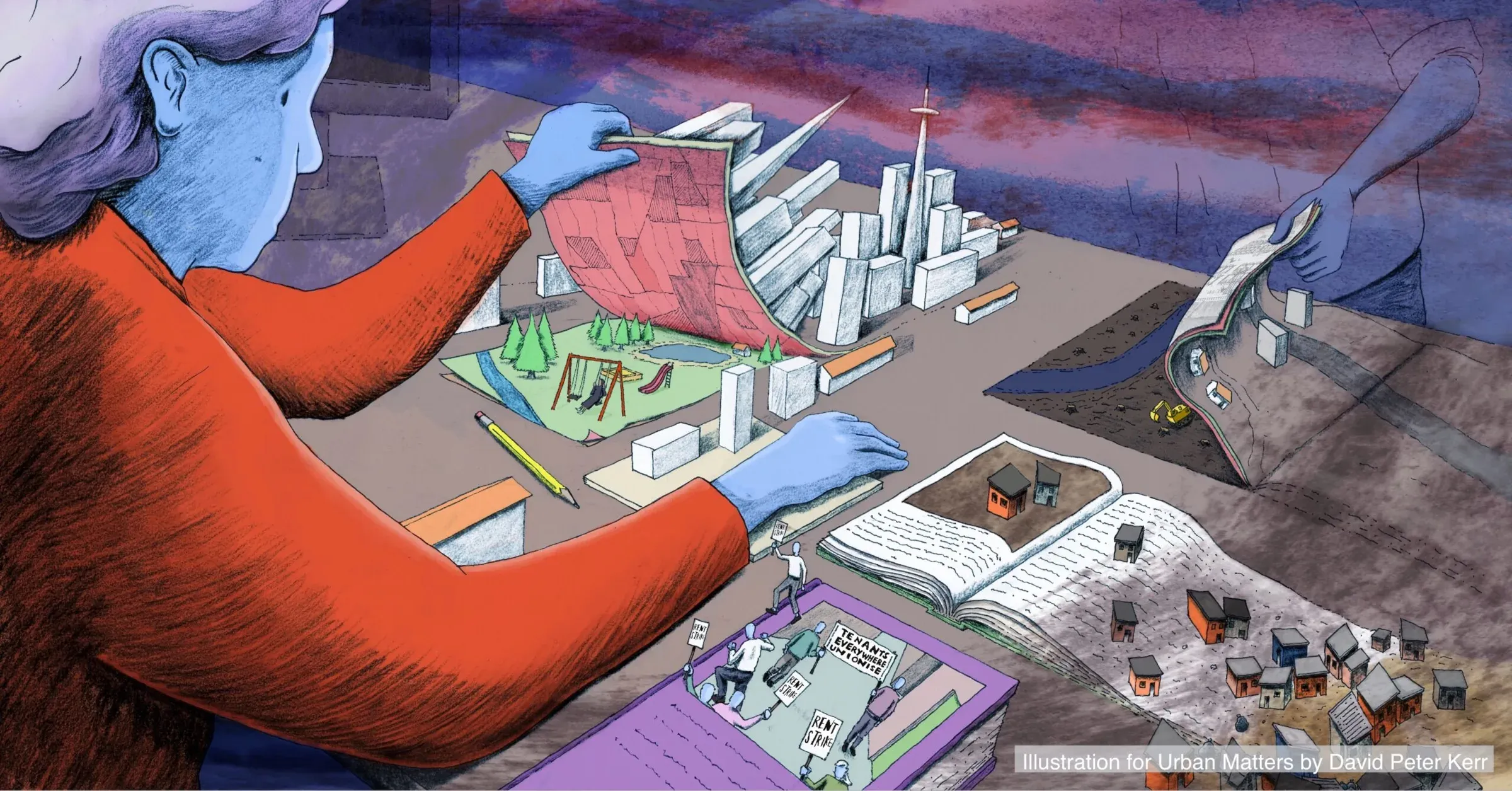
A project to dislocate urban studies by rethinking theory and shifting practice.
In this issue
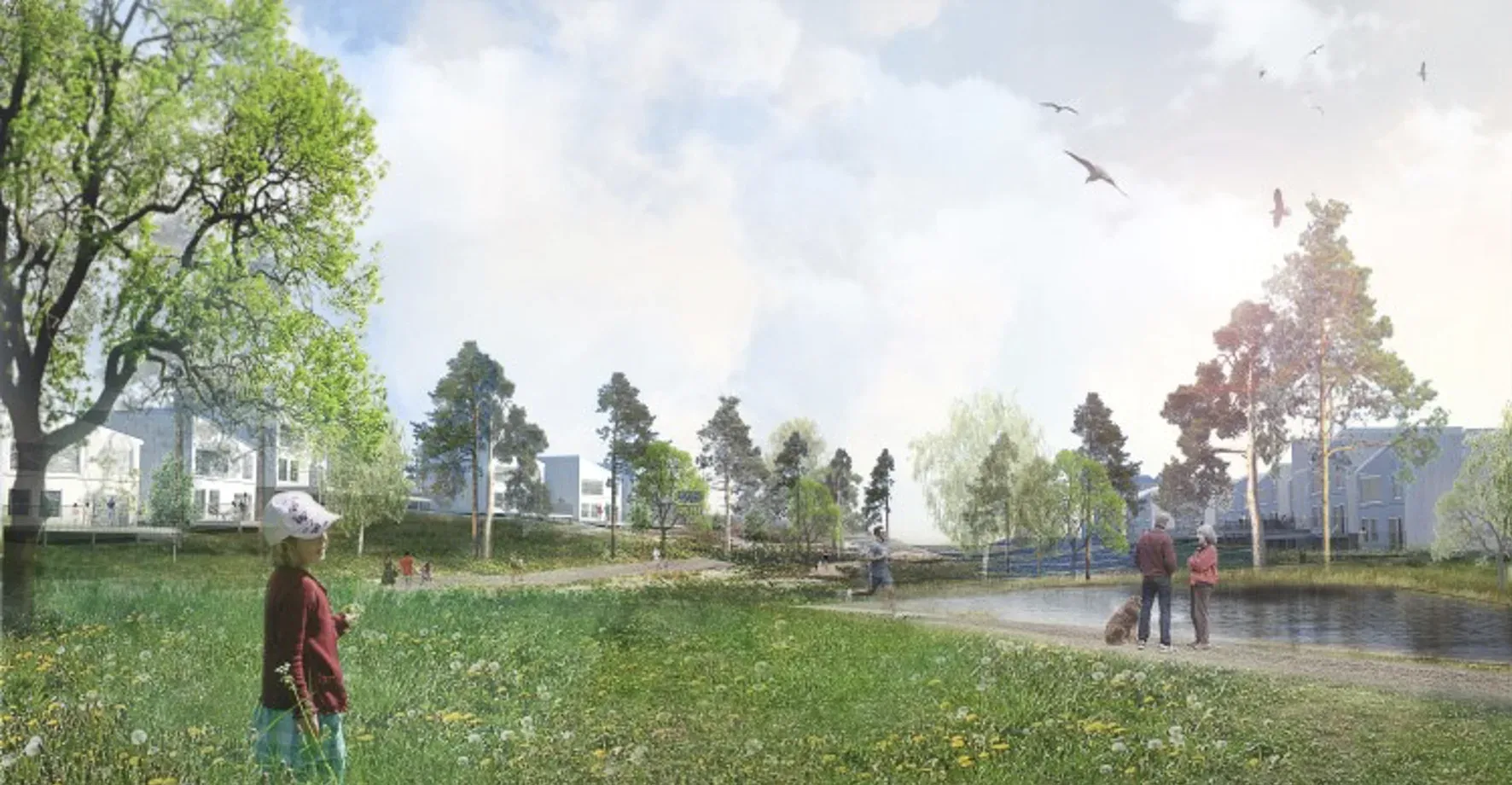
Segregation and Landscape Injustice in the Shadows of White Planning and Green Exceptionalism in Sweden
Burcu Yigit Turan and Mia Ågren
We write this article deriving from our work “White landscapes: tracing socio-spatial epistemologies of Whiteness in contemporary Swedish planning” ¹ presented in the session “A Non-Occidentalist West: Learning from Theories Outside the Canon” of the “Dislocating Urban Studies” Workshop Series…
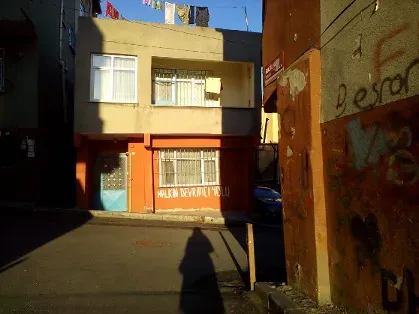
(Dis)Locating fieldwork: relational approaches to research through a contested neighbourhood in Istanbul
Clara Rivas Alonso
In the following short intervention, I question the way fieldwork is constructed and how the role of the researcher as the performer of fieldwork can be destabilized if we pay close attention to how we share vulnerabilities with our research subjects.
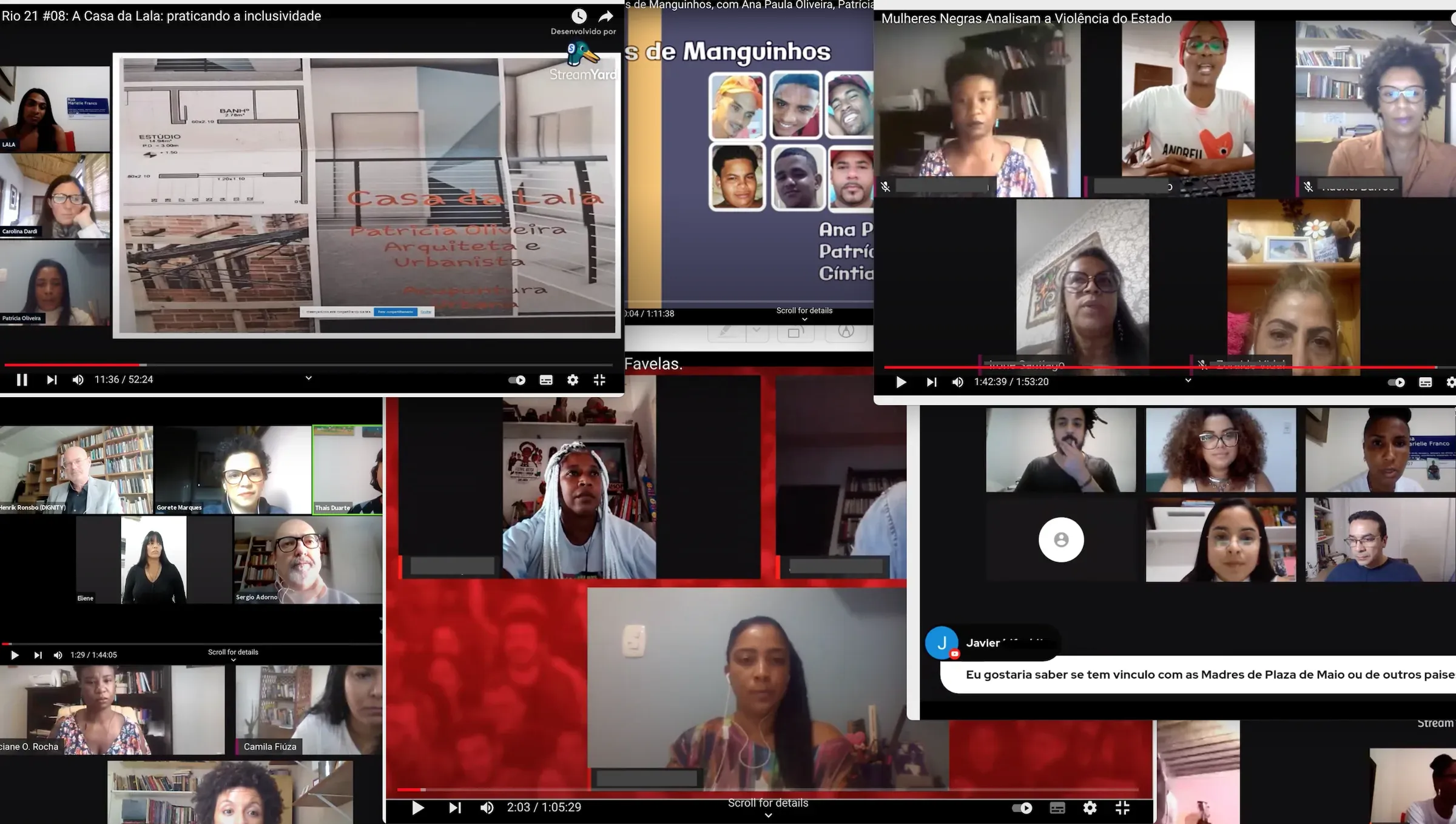
Accessing local knowledge from afar. A hybrid research project
Josefa Maria Stiegler
How does a feminist conduct urban research during a global pandemic? How can we get close to the lived realities of communities we seek to study despite physical distance? How can I still conduct research in a country that has become the epicenter of the Coronavirus outbreak?
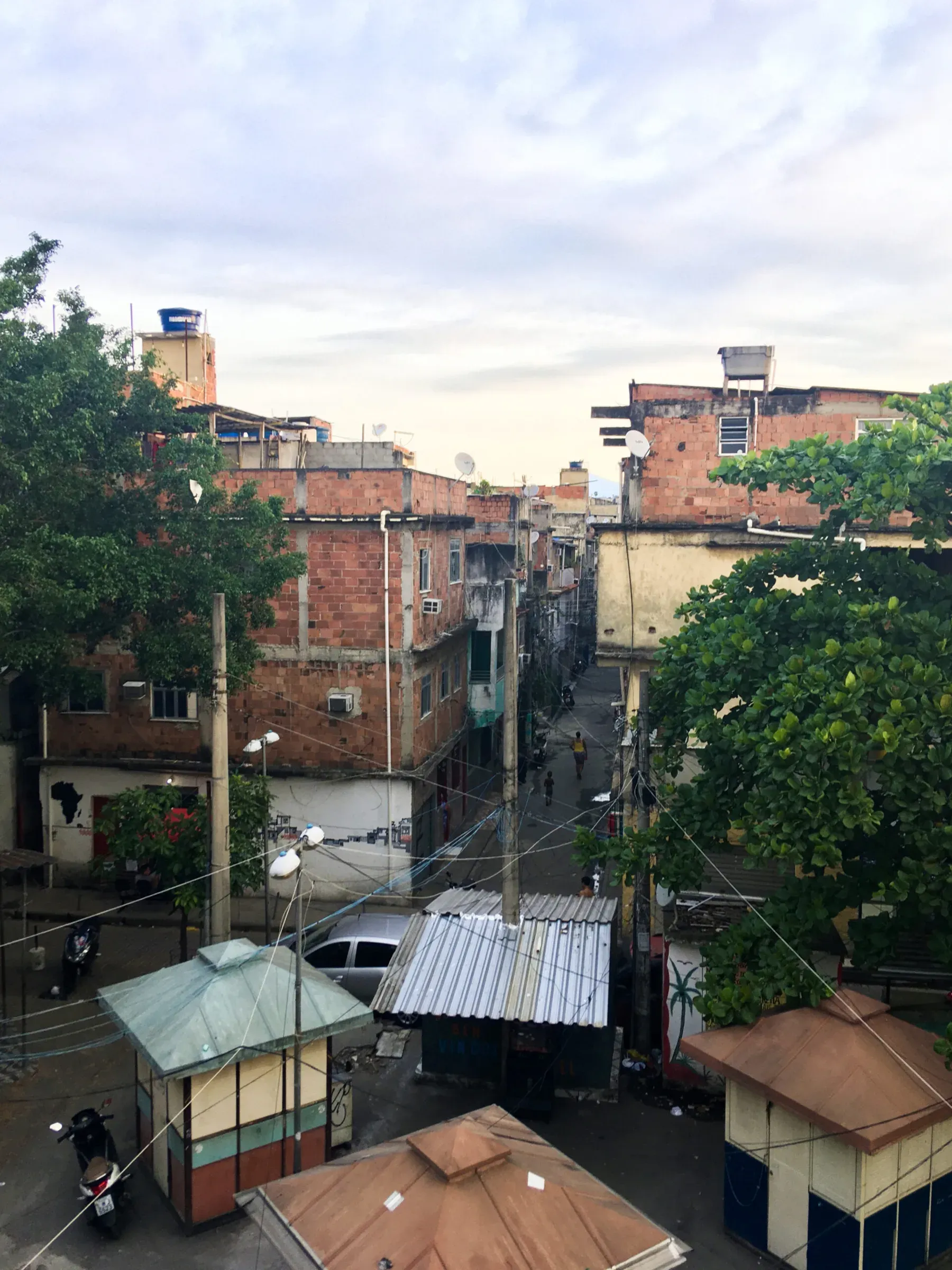
Cartography of hidden narratives: practices of insurgent citizenship in Maré, Rio de Janeiro, Brazil
Bruna Montuori
In my PhD research, I have been investigating the work of Redes da Maré, a resident-led organisation based in Maré, a compound of favelas in the north side of Rio de Janeiro.
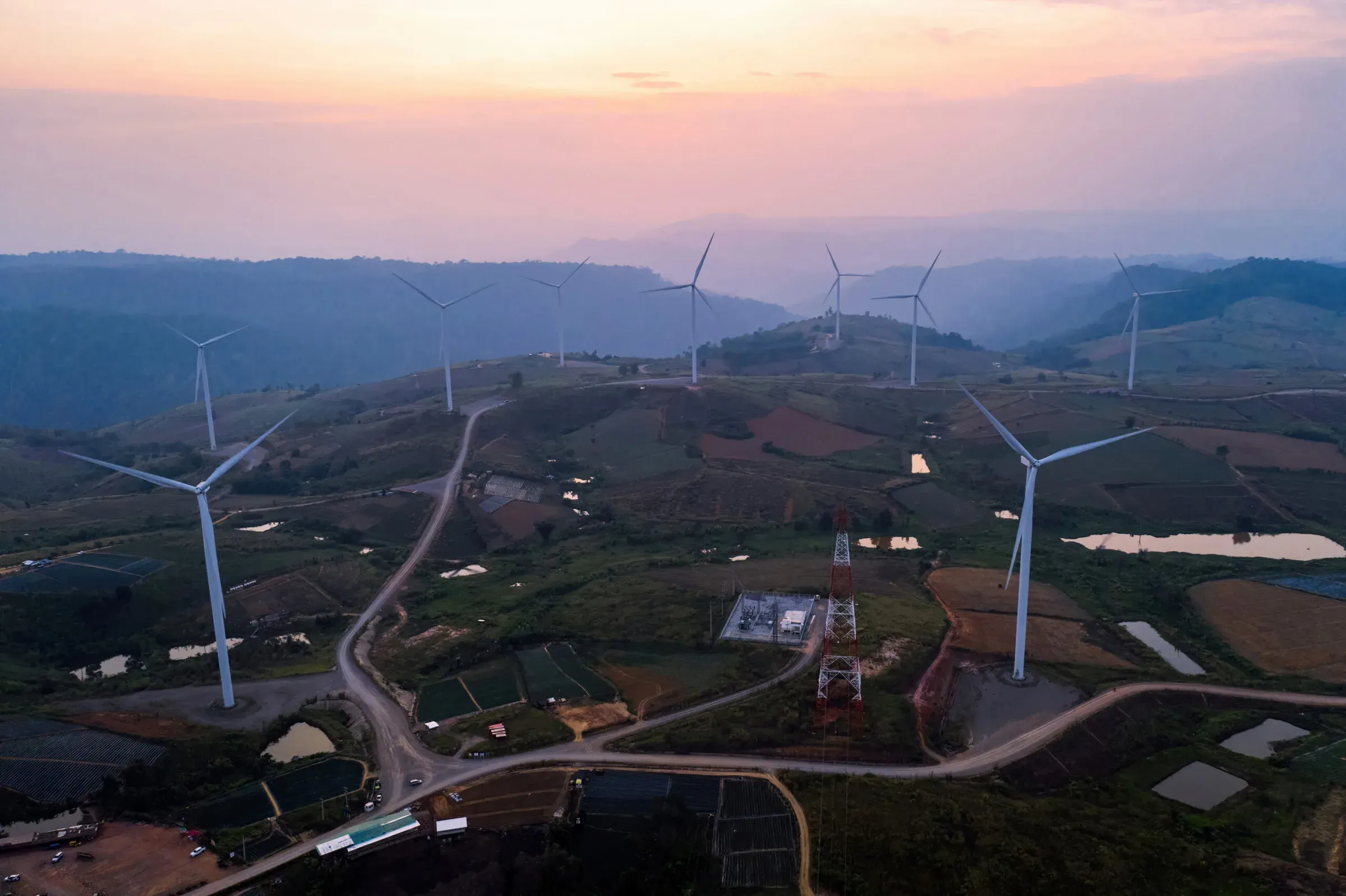
Climate justice in the context of planetary urbanization
Constantina Theodorou
Amidst the escalating emergency of climate change (CC), addressing issues of climate justice is almost an imperative. Any valid response to its totality is impossible without fair and inclusionary policies that enhance the political feasibility of a zero-carbon transition (Patterson et al., 2018).
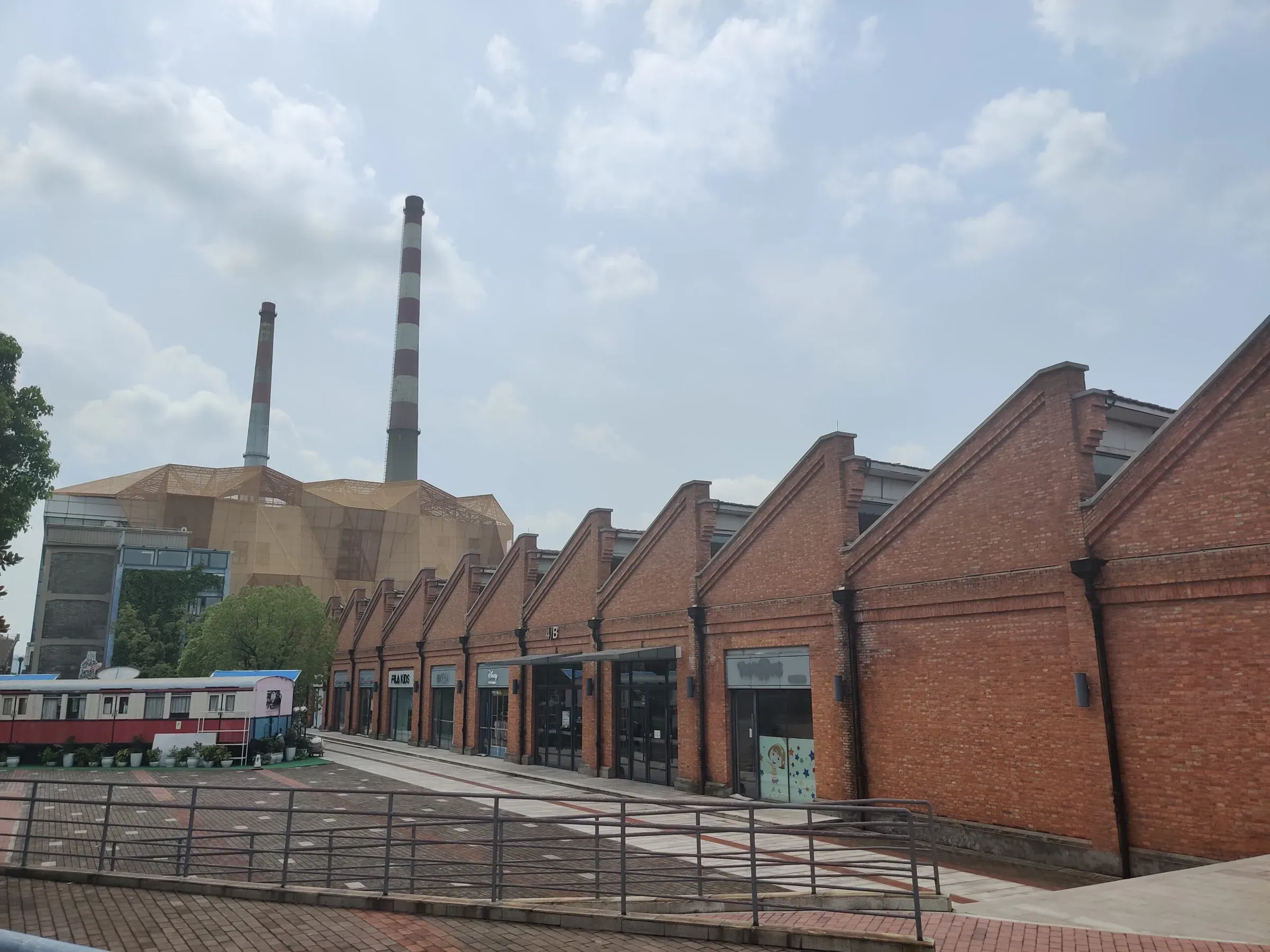
Implications of “conceded informality”: The state and adaptive reuse in brownfield regeneration in Shanghai
Li Fan, Uwe Altrock and Nadine Appelhans
In major Chinese cities, industries grew rapidly after the founding of the socialist country in 1949. By the end of 1980s, manufacturing sites occupied around 30 per cent of the urban land in large Chinese cities (Hsing 2006).
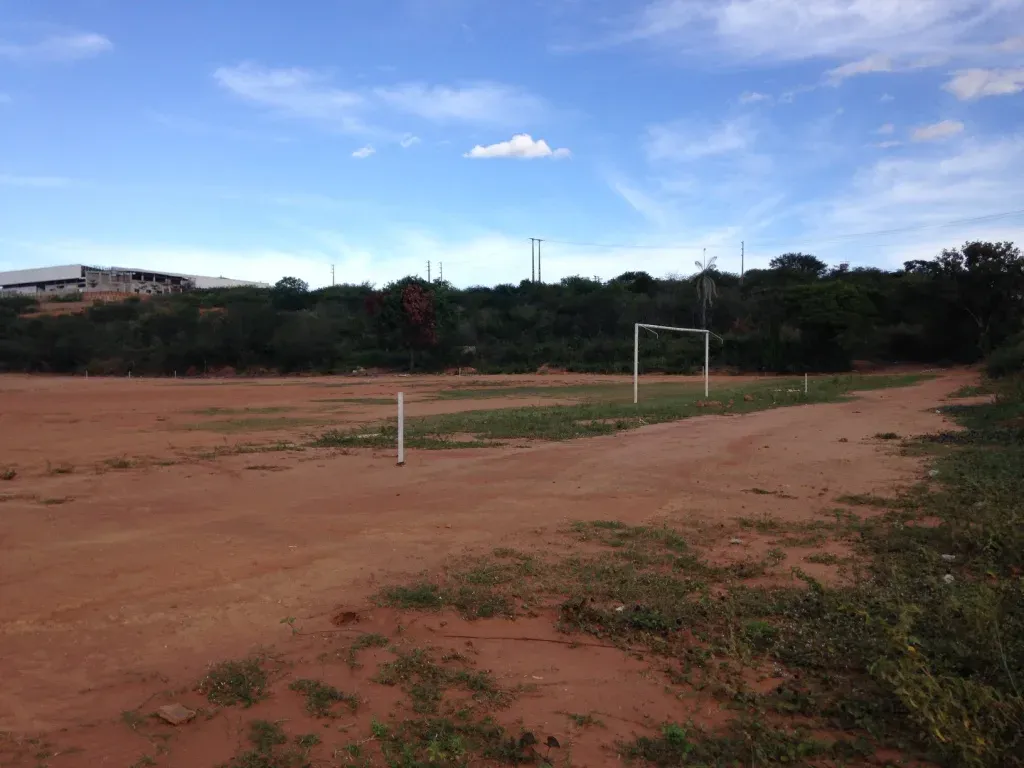
The not-so-empty lot – Ethnographic experience and reflections visiting Cariri’s former concentration camp area
Laura Belik
While housing more than 70.000 drought refugees in 1932 in the Cariri Region, in Ceará State (Northeast Brazil), Buriti concentration camp’s history is mostly unknown both locally and nationally.
 16
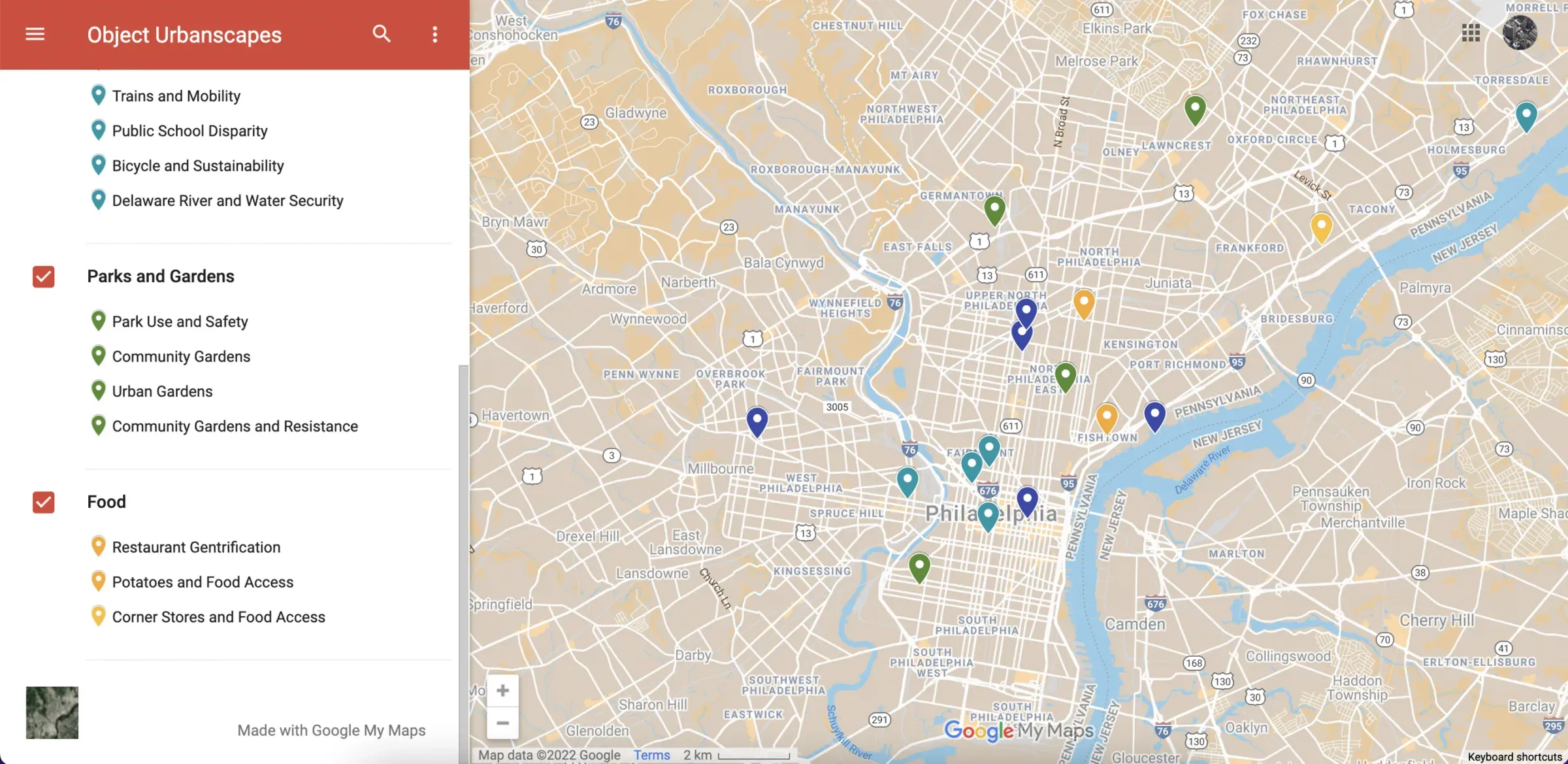
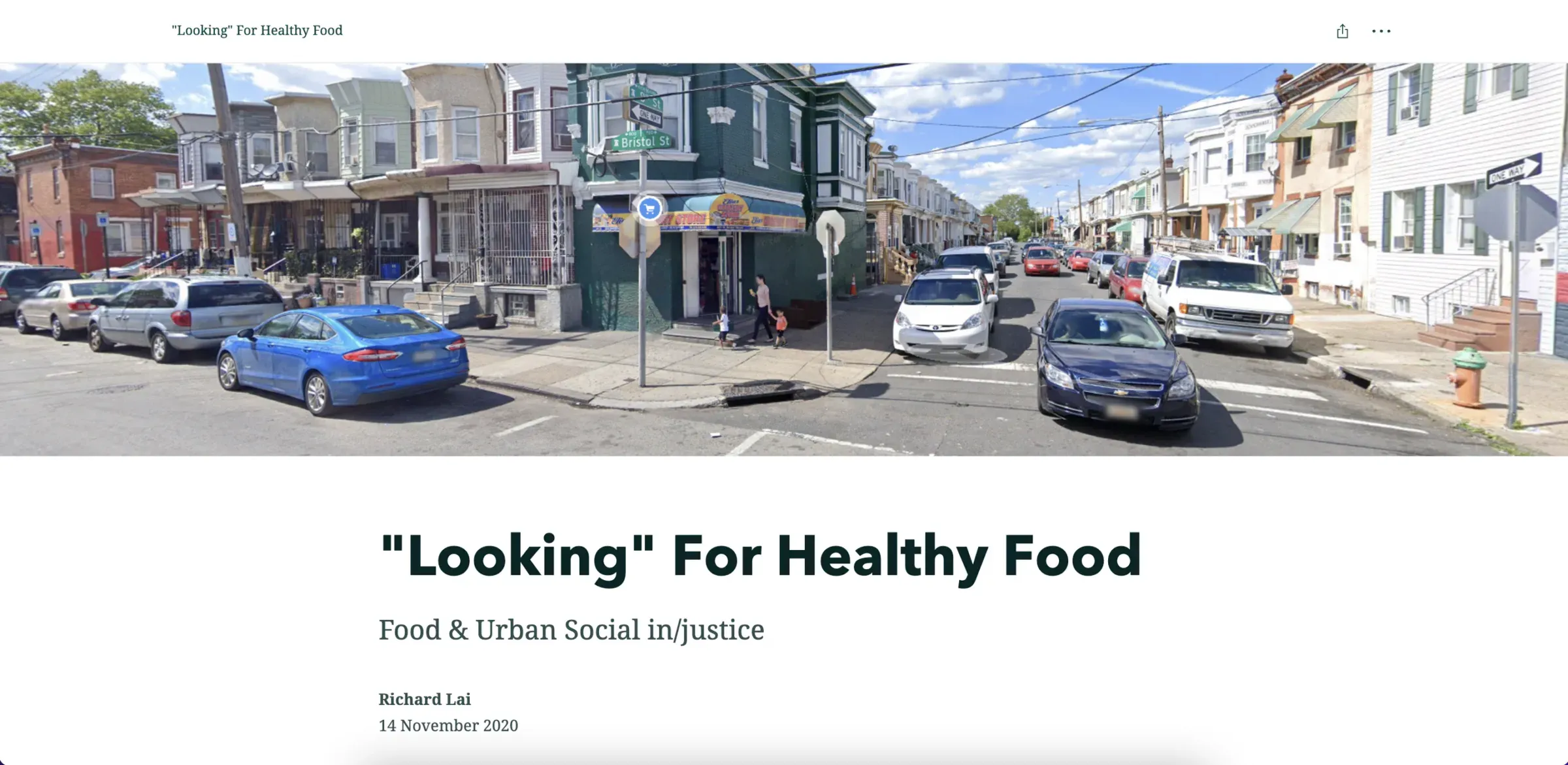
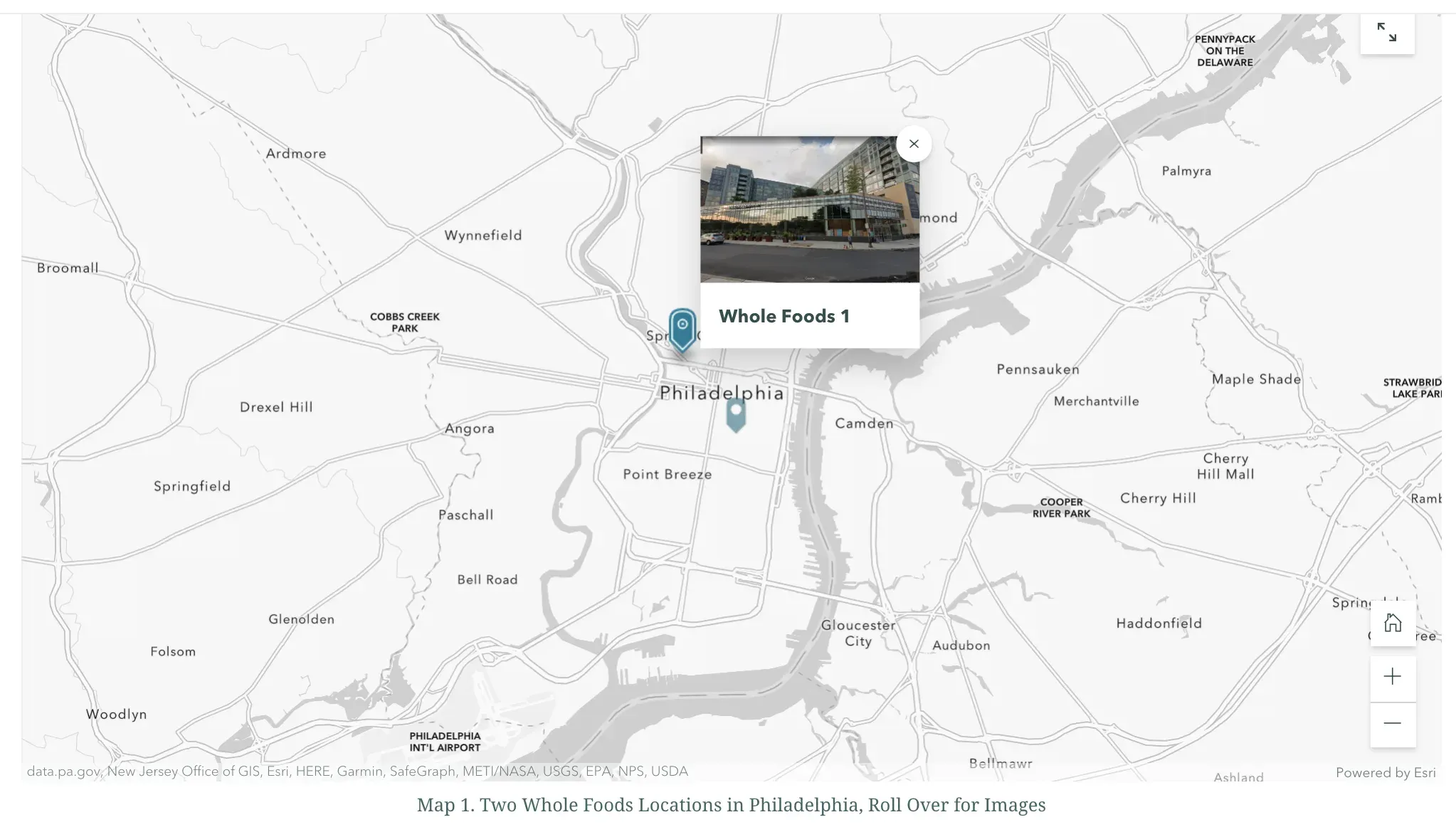
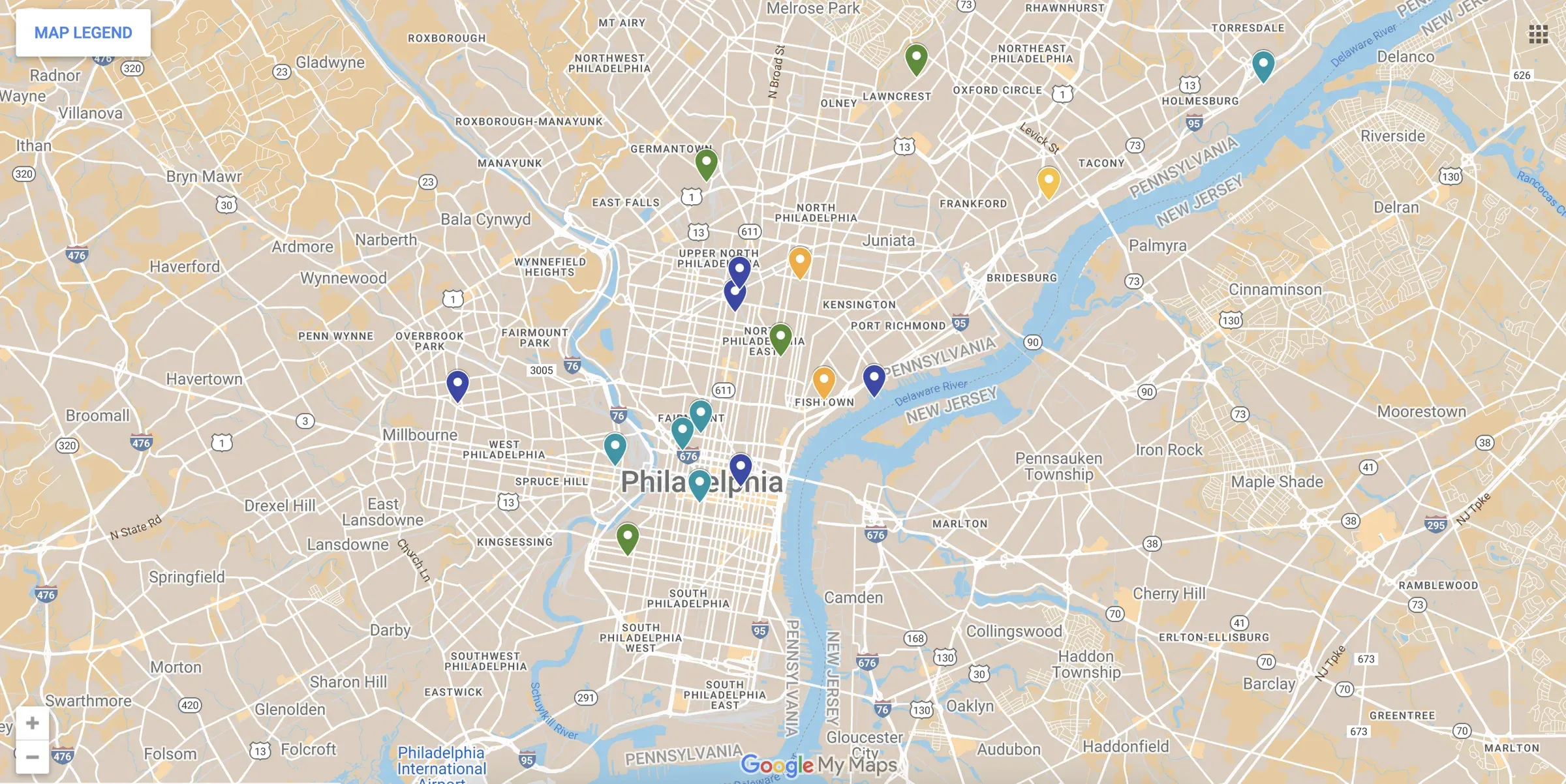
Unearthing the right to the city through digital visual methods
Karen Paiva Henrique and Aparna Parikh
How can digital visual methods be critically deployed to examine urban social in/justices?
Dislocating the spaces of death and life with ArkDes and Sigurd Lewerentz
Last October a major retrospective exhibition about the enigmatic 20th-century architect Sigurd Lewerentz opened at Sweden’s national architecture and design museum, ArkDes.
 Johan Pries
Editorial: Dislocating Urban Studies
Since the turn of the millennium, debates within Anglophone critical urban studies have given rise to intellectually rich discussions that force us to rethink the location, theories, and practices of the field.


 Claudia Fonseca Alfaro, Özlem Celik, Defne Kadioglu and Lorena Melgaço Silva Marques