Claudia Fonseca Alfaro, Özlem Celik, Defne Kadioglu and Lorena Melgaço Silva Marques
Since the turn of the millennium, debates within Anglophone critical urban studies have given rise to intellectually rich discussions that force us to rethink the location, theories, and practices of the field.
- Published
- May 13, 2022
- Reading time
- 3 min
The PDF isn’t ready yet.
Since the turn of the millennium, debates within Anglophone critical urban studies have given rise to intellectually rich discussions that force us to rethink the location, theories, and practices of the field. While attending to the fundamental question of exploring what “the urban” is, theorisations have also expanded to reflect where and how we should understand the urban condition (cf. Brenner, 2013; Jazeel, 2014; Lawhon et al., 2020; Parnell and Pieterse, 2016; Randolph and Storper, 2022; Robinson, 2003, 2016; Roy, 2009). A number of interventions have sought to question not only the location of knowledge production and the need to develop novel methodological strategies of comparison, but also to emphasise the importance of difference, identity, the everyday, and more-than-human actors when studying urban processes (Leitner et al., 2020). These developments are welcomed at a time when significant urban transformations are underway. However, more work needs to be done to create a field of critical urban studies that engages with anti-colonial, anti-racist, anti-capitalist, and anti-patriarchal struggles in more global ways, while addressing the urgent challenges of 21st-century urbanisation such as social inequality and environmental injustice. Empirical and theoretical contributions from the periphery—places “off the map” of urban theory (Robinson, 2002), invisible locations of urbanization (Fonseca Alfaro, forthcoming) or “overlooked” cities (Ruszczyk et al., 2021)—are necessary for understanding global processes of urbanisation and debunking the practices of Eurocentrism within the field. In other words, the geographical and epistemological margins of critical urban scholarship need to be explored much more in-depth in order to create openings towards what Escobar (2007) would refer to as “worlds and knowledges otherwise” across multiple scales, time frames, and social, economic and political contexts.
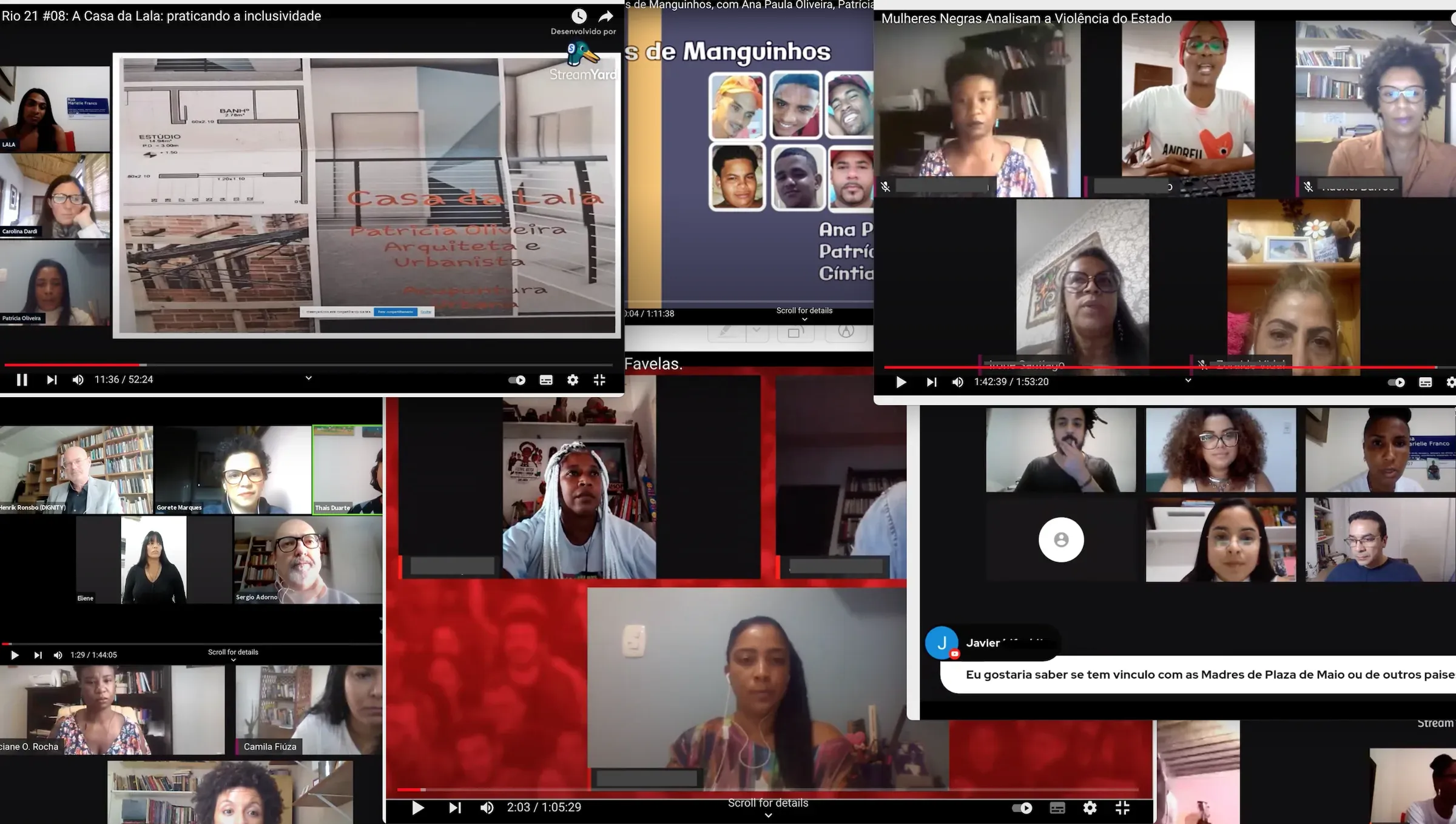
A crucial project, as we see it, is to dislocate urban studies by rethinking theory and shifting practice. We embarked on this journey last year through a series of four digital workshops where we invited early-career scholars working on/in/out different margins across the global North and South, and who carried out empirical, methodological or theoretical interventions that helped expand the boundaries of critical urban studies. In conversation with renowned senior scholars, the presenters (a) engaged with forgotten or little-known anti-colonial and anti-capitalist urban concepts or theorists, (b) presented interesting cases from “off the map” of urban studies, and (c) introduced us to novel methodological approaches, and (d) challenged us to rethink the usefulness of certain key concepts from the field.
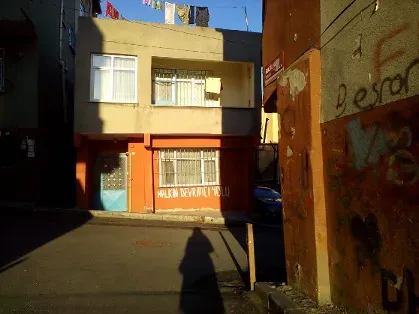
In this Special Issue, we would like to offer a glimpse of the topics and rich discussions that arose during the workshop series to continue reflecting on how to dislocate urban studies. Clara Rivas Alonso reflects on her research journey through the “symbolic peripheries” of Istanbul, pondering on the challenges of a shifting positionality within a marginalised community. Josefa Maria Stiegler picks a similar train of thought, when she discusses the intricacies of building connections from afar with residents of a Brazilian favela, when the COVID-19 global pandemic forced many researchers into rethinking their methods.
Also having Rio de Janeiro’s favela as her research location, Bruna Ferreira Montuori proposes a “cartography of hidden narratives” that are suppressed by state official discourses and practices. She uncovers counternarrative as a site of resistance and critical reflection. Travelling to the Northeast of the country, Laura Belik brings an ethnographic account on uncovering “little-known memories” of a long tucked away past of a former concentration camp in the Brazilian semi-arid. The “not-so-empty lot”, as she calls it, is overburdened with a heavy past which inspires us reflect on the “permanence of the impermanent” in urban research.
Going eastwards, Li Fan, Uwe Altrock, and Nadine Appelhans engage with the temporalities of urban regeneration in Shanghai. Leaning on the concept of conceded informality, they discuss state strategies relating to informal practices in the context of an urban growth agenda.
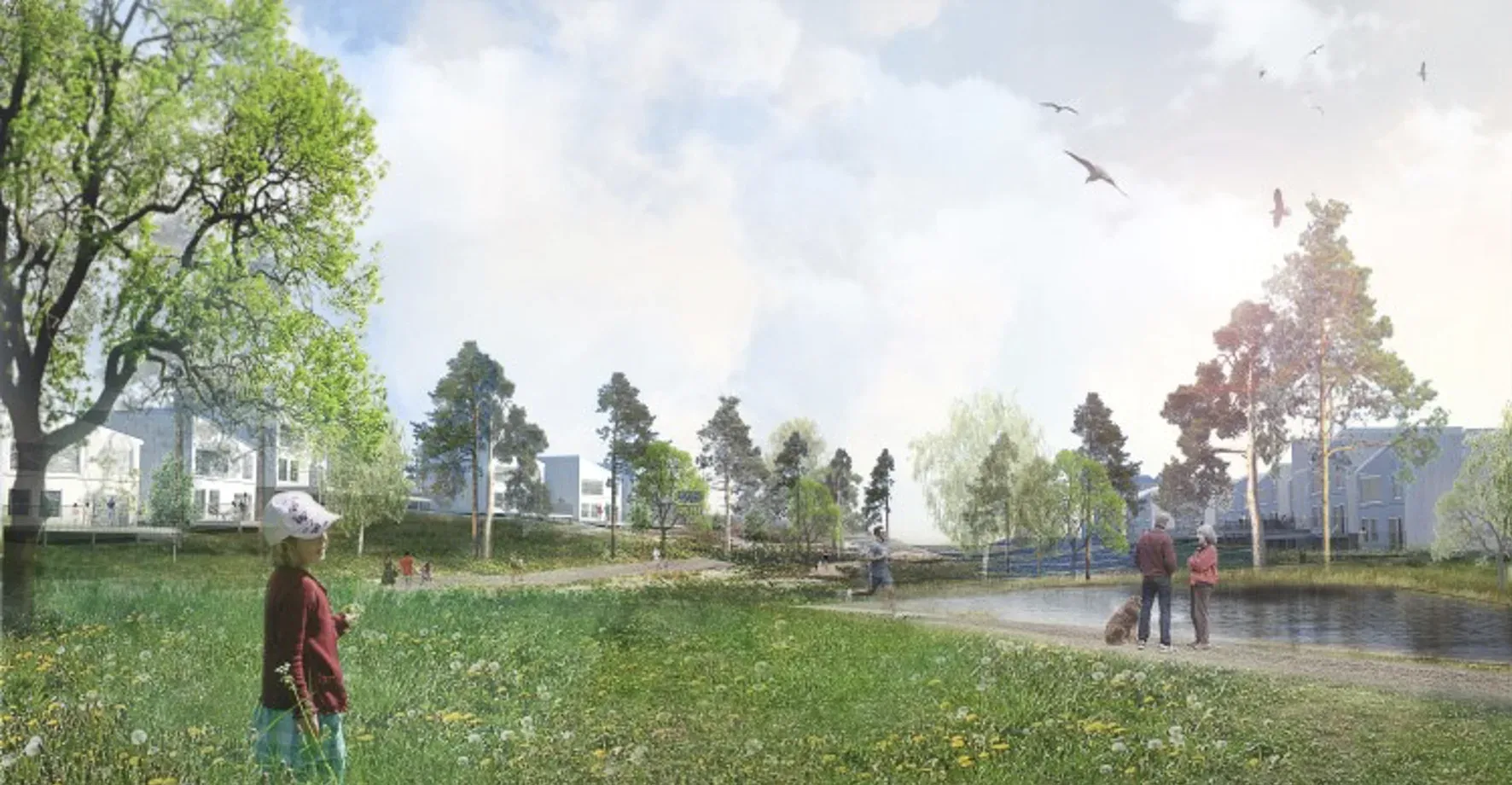
Burcu Yiğit Turan and Mia Ågren discuss the often-detracted persistence of racialised planning practices in Uppsala by exploring the differential conceptualisations of green space in predominantly white and immigrant-dense communities. Constantina Theodorou explores the “planetary spatiality of climate change”, arguing that climate justice can only be achieved by considering planetary spatial relations in their conceptual and material aspects.
Engaging with the right to the city in Philadelphia, Karen Paiva Henrique and Aparna Parikh, in their photo essay, share with us experiences from a visual project in which students used digital tools to explore and uncover how urban injustices materialise and are resisted in the city.
In our last contribution to this issue, Johan Pries reviews a retrospective exhibition on Sigurd Lewerentz, a controversial Swedish architect whose “’ creative resistance’ in the face of technocratic conformity” produces designs that challenge the conventions of life and death.
References
- Alfaro, F. (no date) Producing Mayaland: Colonial Legacies, Urbanization, and the Unfolding of Global Capitalism. Wiley.
- Brenner, N. (2013) ‘Theses on Urbanization’, Public Culture, 25(1), pp. 85–114. Available at: https://doi.org/10.1215/08992363-1890477.
- Jazeel, T. (2014) ‘Subaltern geographies: Geographical knowledge and postcolonial strategy’, Singapore Journal of Tropical Geography, 35(1), pp. 88–103. Available at: https://doi.org/10.1111/sjtg.12053.
- Lawhon, M., Roux, L. and Makina, L. (2020) ‘Beyond southern urbanism? Imagining an urban geography of a world of cities’, Urban Geography. Routledge [Preprint]. Available at: https://doi.org/10.1080/02723638.2020.1734346.
- Leitner, H. and Peck, J. (2020) Urban Studies Inside/Out. Theory, Method, Practice. London: SAGE Publications Ltd.
- Parnell, S. and Pieterse, E. (2016) ‘Translational Global Praxis: Rethinking Methods and Modes of African Urban Research’, International Journal of Urban and Regional Research, 40(1), pp. 236–246. Available at: https://doi.org/10.1111/1468-2427.12278.
- Randolph, G.F. and Storper, M. (2022) ‘Is urbanisation in the Global South fundamentally different? Comparative global urban analysis for the 21st century’, Urban Studies [Preprint]. Available at: https://doi.org/10.1177/00420980211067926.
- Robinson, J. (2002) ‘Global and World Cities: A View from off the Map’, International Journal of Urban and Regional Research, 26(3), pp. 531–554.
- Robinson, J. (2003) ‘Postcolonialising Geography: Tactics and Pitfalls’, Singapore Journal of Tropical Geography, 24(3), pp. 273–289.
- Robinson, J. (2016) ‘Thinking cities through elsewhere: Comparative tactics for a more global urban studies’, Progress in Human Geography, 40(1), pp. 3–29. Available at: https://doi.org/10.1177/0309132515598025.
- Roy, A. (2009) ‘The 21st-Century Metropolis: New Geographies of Theory’, Regional Studies, 43(6), pp. 819–830. Available at: https://doi.org/10.1080/00343400701809665.
- Ruszczyk, H.A. and De Villiers, N.E. (2021) Overlooked Cities: Power, Politics and Knowledge Beyond the Urban South. London and New York: Routledge.
About the authors
Claudia Fonseca Alfaro
Karlstad University
Claudia Fonseca Alfaro is a postcolonial and feminist urban scholar with an interest in investigating the present-day entanglements of postcolonial remains, uneven development, and urbanization in the inconspicuous places of the global South. She is the author of Producing Mayaland: Colonial Legacies, Urbanization, and the Unfolding of Global Capitalism (2023) and has published widely on the production of space and its intersections with global commodity chains, infrastructure-led development models, and smart urbanism.
Özlem Celik
Helsinki University
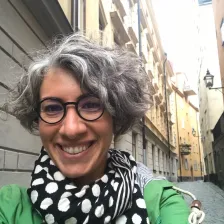
Özlem Çelik is a University Researcher at Global Development Studies at the University of Helsinki. After her PhD degree in Urban Studies and Planning at the University of Sheffield, Özlem previously worked as a postdoc fellow at Helsinki, Lund and Middle East Technical universities and as a lecturer at Yasar University. Her research has an interdisciplinary nature, at the cross-section of urban studies and planning, economic and political geography.
Defne Kadioglu
Malmö University
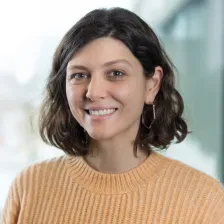
Defne Kadıoğlu is an urban political sociologist with an interest in urban policy, housing and urban political economy. In particular, she has worked on gentrification processes and their intersection with territorial stigma and racism in Germany. She also worked in the context of Turkey, in particular on the political and social dimensions of urban transformation projects in formal and informal Istanbul neighborhoods. Currently she is conducting comparative projects on urban policy, racialized territorial stigma and housing in the context of the Swedish and German welfare states.

Lorena Melgaço Silva Marques
Lund Univeristy
Lorena Melgaço is an associate senior lecturer at the Department of Human Geography at Lund University. She has previously worked at Plymouth, Birmingham, and Malmö universities as a researcher. Her research interests include the micropolitics of socio-spatial and technological peripheralisation in the postcolony; the intersections of technological dependency, capitalist production of space, and the socio-environmental crisis: smart cities; and the challenges of planning education and practice from a decolonial perspective.
Cite this article
Harvard
Alfaro, C.F. et al. (2022) ‘Editorial: Dislocating Urban Studies’, Urban Matters, 3. Available at: https://urbanmatters-staging.leadm.site/articles/dislocating-urban-studies/.
APA
Alfaro, C. F., Celik, Ö., Kadioglu, D., & Marques, L. M. S. (2022). Editorial: Dislocating Urban Studies. Urban Matters, 3. https://urbanmatters-staging.leadm.site/articles/dislocating-urban-studies/
BibTeX
@article{alfaro2022editorial,
  author = {Alfaro, Claudia Fonseca and Celik, Özlem and Kadioglu, Defne and Marques, Lorena Melgaço Silva},
  title = {{Editorial: Dislocating Urban Studies}},
  journal = {Urban Matters},
  year = {2022},
  volume = {3},
  issn = {2004-206X},
  publisher = {Institute for Urban Research, Malmö University},
  url = {https://urbanmatters-staging.leadm.site/articles/dislocating-urban-studies/}
}